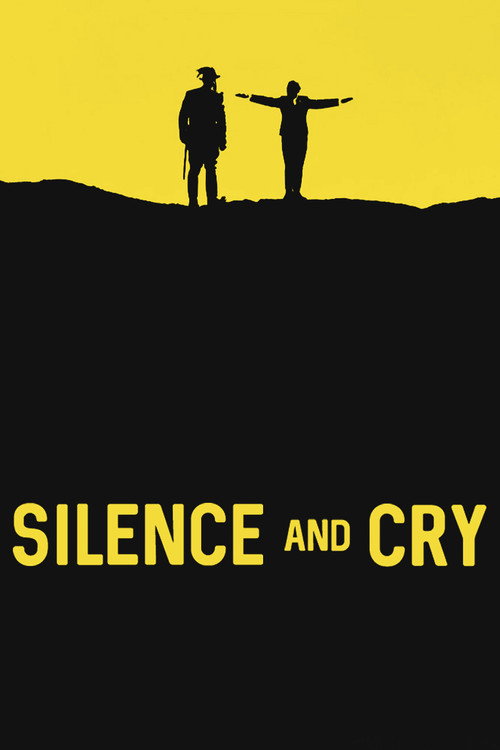
Silence and Cry 1968
Miklós Jancsó's *Silence and Cry* (1968) plunges into the suffocating aftermath of Hungary's fleeting communist revolution, capturing a nation gripped by fear and betrayal.
Director: Miklós Jancsó
Cast


Frequently Asked Questions
What is Silence and Cry (1968) about?
*Silence and Cry* unfolds in the chaotic aftermath of Hungary's failed communist revolution, where former Red Army soldiers flee from nationalist forces taking control. The film immerses viewers in a world where paranoia and betrayal lurk around every corner, blending historical drama with a gripping survival narrative.
Who directed Silence and Cry?
Silence and Cry was directed by Miklós Jancsó, a Hungarian filmmaker renowned for his visually striking and politically charged cinema.
Who stars in Silence and Cry?
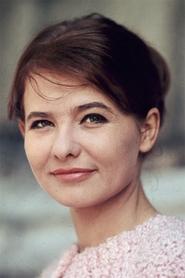
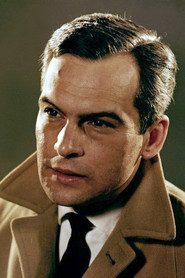
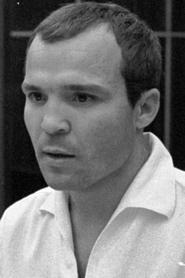
The film features standout performances from Mari Törőcsik, Zoltán Latinovits, József Madaras, Andrea Drahota, and András Kozák.
Is Silence and Cry (1968) worth watching?
As a gripping historical drama with deep thematic resonance, *Silence and Cry* is well worth watching for fans of Miklós Jancsó's work and those interested in post-war political turmoil. Its stark atmosphere and moral complexity make it a compelling, if unsettling, viewing experience.
How long is Silence and Cry?
Silence and Cry has a runtime of 72 minutes.
About Silence and Cry (1968) — A Haunting Portrait of Fear in Post-War Hungary
Miklós Jancsó's *Silence and Cry* (1968) plunges into the suffocating aftermath of Hungary's fleeting communist revolution, capturing a nation gripped by fear and betrayal. Set against the collapse of the Hungarian Republic of Councils in 1919, the film follows soldiers from the short-lived Red Army as they become hunted figures in a landscape now dominated by nationalist forces under Admiral Horthy. The atmosphere is one of relentless tension, where every shadow could betray a fugitive's presence, and silence itself feels like a form of resistance. Jancsó's stark visual style amplifies the oppressive mood, blending historical weight with a haunting meditation on survival and complicity.
At its core, *Silence and Cry* explores the human cost of political upheaval, where loyalty is tested and fear is the only constant. The film's restrained yet piercing narrative, anchored by a cast of extraordinary performances, transforms a turbulent chapter of Hungarian history into a timeless reflection on oppression and resilience. For viewers drawn to period dramas with depth and moral complexity, this is a masterclass in tension and atmosphere.