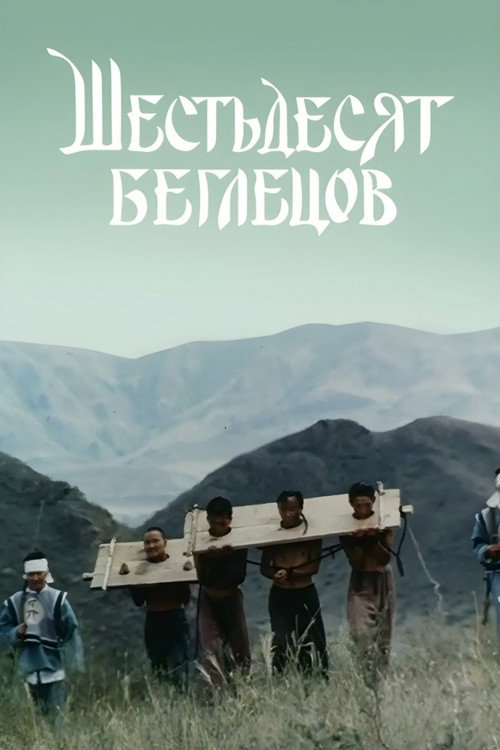
Sixty Fugitives 1991
Sixty Fugitives (1991) transports viewers to the harsh landscapes of 19th-century Tuva, where the Tuvan arats—indigenous herders—rise in defiance against the oppressive rule of the local noyons (nobles).
Director: Baras Halzanov
Cast

Frequently Asked Questions
What is Sixty Fugitives (1991) about?
Set in the 1880s, the film follows Tuvan herders rebelling against their enslaving nobles, the noyons. Their uprising is violently crushed, but not before the arats fight fiercely for their freedom and way of life.
Who directed Sixty Fugitives?
The film was directed by Baras Halzanov, known for his commitment to ethnographic realism in cinema.
Who stars in Sixty Fugitives?
The cast features Aleksandr Ondar, Ezir-Ool Mongu, Lyana Ondur, Aleksandr Salchak, and Boris Bady-Sagaan in pivotal roles.
Is Sixty Fugitives (1991) worth watching?
While not widely rated, Sixty Fugitives offers a rare glimpse into Tuvan history and culture through a powerful historical drama lens. Its authentic portrayal of rebellion and tradition makes it a compelling watch for fans of the genre.
How long is Sixty Fugitives?
Sixty Fugitives runs for 84 minutes.
About Sixty Fugitives (1991) — A Tuvan Rebellion Against Oppression and Tradition
Sixty Fugitives (1991) transports viewers to the harsh landscapes of 19th-century Tuva, where the Tuvan arats—indigenous herders—rise in defiance against the oppressive rule of the local noyons (nobles). Directed by Baras Halzanov with striking ethnographic precision, this historical drama immerses audiences in the rugged traditions, moral codes, and patriarchal structure of Tuvan society. As tensions escalate into a brutal rebellion, the film vividly portrays the struggle for freedom, capturing both the raw determination of the rebels and the unyielding oppression they face. With authenticity at its core, the movie blends cultural insight with high-stakes drama, making it a compelling exploration of resistance and survival.
Halzanov's direction, paired with a cast led by Aleksandr Ondar and Ezir-Ool Mongu, delivers a gripping narrative that's as much about cultural pride as it is about historical upheaval. The film's stark cinematography and authentic portrayal of Tuvan customs create an atmosphere thick with tension, where every decision carries life-or-death consequences. Whether you're drawn to its historical depth or its emotional intensity, Sixty Fugitives (1991) stands as a testament to the indomitable spirit of those who dare to fight for justice.