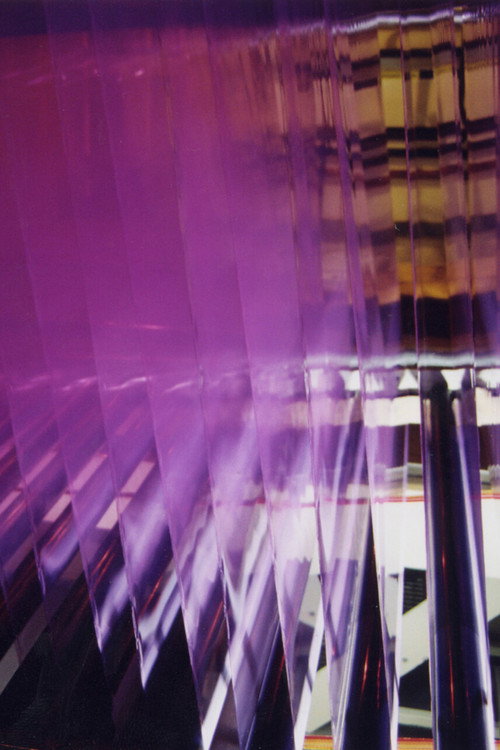
Kodak 2006
In the heart of France, a once-thriving Kodak factory stood as a testament to the art of 16 mm film production. Tacita Dean's 2006 experimental documentary, Kodak, is a poignant exploration of the now-closed Chalon-sur-Saône facility.
Director: Tacita Dean
Frequently Asked Questions
What is Kodak (2006) about?
Kodak is a poignant exploration of the now-closed Kodak factory in Chalon-sur-Saône, France, where they produced 16 mm film. The documentary is a nostalgic tribute to the art of analog filmmaking and a reflection on the decline of this industry.
Who directed Kodak?
Tacita Dean directed Kodak.
Who stars in Kodak?
Unfortunately, the main cast for Kodak is not available.
Is Kodak (2006) worth watching?
With its captivating visuals and thought-provoking themes, Kodak is a must-watch for film enthusiasts and anyone interested in the history of cinema. The documentary's unique blend of observation and introspection makes it a compelling watch, even for those unfamiliar with the subject matter.
How long is Kodak?
Kodak has a runtime of 44 minutes.
About Kodak (2006) — A Haunting Portrait of a Fading Industry
In the heart of France, a once-thriving Kodak factory stood as a testament to the art of 16 mm film production. Tacita Dean's 2006 experimental documentary, Kodak, is a poignant exploration of the now-closed Chalon-sur-Saône facility. Through a unique blend of observation and introspection, the film delves into the nostalgia surrounding the decline of analog filmmaking. As the camera captures the eerie, abandoned spaces, the audience is transported to a bygone era of cinematic history.
Kodak is a cinematic time capsule that pays homage to the era of celluloid filmmaking. With its minimalist approach and contemplative tone, the documentary invites viewers to reflect on the significance of this bygone era. As we witness the remnants of a bygone industry, we are reminded of the importance of preserving our cultural heritage. By sharing this intimate portrait of a fading industry, Dean's documentary becomes a poignant tribute to the beauty of 16 mm film.
Through Kodak, viewers are given a rare glimpse into the world of film production, a world that is slowly disappearing. As the industry shifts towards digital, the film serves as a nostalgic reminder of the tactile nature of celluloid. By exploring the decline of analog filmmaking, Dean's documentary encourages us to appreciate the art of film as a tangible, sensory experience.
With its captivating visuals and thought-provoking themes, Kodak is a must-watch for film enthusiasts and anyone interested in the history of cinema. By exploring the nostalgia surrounding the decline of 16 mm film, Dean's documentary becomes a powerful tribute to the art of filmmaking.