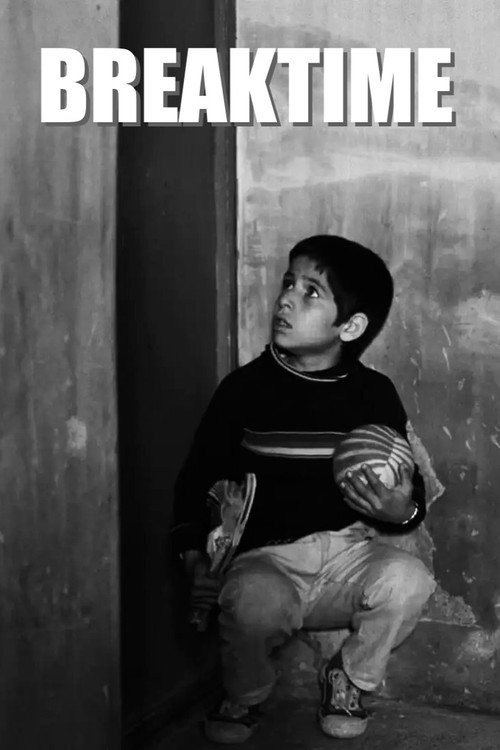
Breaktime 1972
Breaktime (1972), a short yet profound drama by acclaimed Iranian filmmaker Abbas Kiarostami, captures a fleeting moment of childhood rebellion and discovery.
Director: Abbas Kiarostami
Cast
Frequently Asked Questions
What is Breaktime (1972) about?
A young boy kicks a ball into a street, triggering a chase that sends him on an unplanned detour home. The film captures the tension and curiosity of navigating unfamiliar territory during a simple walk.
Who directed Breaktime?
Breaktime was directed by Abbas Kiarostami, a visionary filmmaker celebrated for his poetic and humanistic approach to cinema.
Who stars in Breaktime?
The film features Sirous Hassanpour in the lead role, supported by local children playing the townspeople.
Is Breaktime (1972) worth watching?
While unrated, Breaktime stands as a compelling early work by Kiarostami, offering a glimpse into his thematic depth and visual storytelling. Its short runtime and universal themes make it a worthwhile watch for fans of family dramas and cinematic innovation.
How long is Breaktime?
Breaktime runs for 14 minutes.
About Breaktime (1972) — Abbas Kiarostami's Early Short Film Explores Childhood and Discovery
Breaktime (1972), a short yet profound drama by acclaimed Iranian filmmaker Abbas Kiarostami, captures a fleeting moment of childhood rebellion and discovery. The film follows a young boy, caught between school and home, whose playful act of kicking a ball sparks an unexpected chase through unfamiliar streets. What begins as a simple game quickly unfolds into a subtle exploration of independence, curiosity, and the uncharted paths of adolescence. Kiarostami's signature observational style infuses the 14-minute runtime with quiet tension and emotional depth, transforming an everyday incident into a metaphor for growing up.
Set against the backdrop of urban Iran in the early 1970s, Breaktime blends family and drama genres to weave a narrative that resonates with universal themes. The film's atmospheric tension builds through tight framing and naturalistic performances, particularly by Sirous Hassanpour, whose portrayal of the boy anchors the story in raw authenticity. For fans of Kiarostami's later masterpieces, this early work offers a glimpse into the director's evolving visual language and storytelling precision.