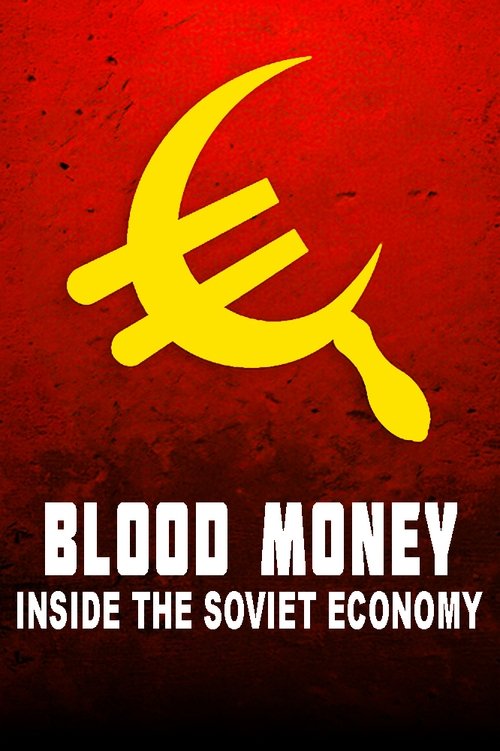
Blood Money: Inside the Soviet Economy 2024
Dive into the fascinating economic puzzle of WWII in *Blood Money: Inside the Soviet Economy (2024)*, directed by Gil Rabier.
Director: Gil Rabier
Cast

Frequently Asked Questions
What is Blood Money: Inside the Soviet Economy (2024) about?
This documentary dissects the Soviet Union's economic strategies during WWII, revealing how a seemingly weak industrial power outmaneuvered Nazi Germany through sheer resourcefulness and sacrifice. It focuses on the overlooked role of economics in securing the Allies' victory, blending archival footage with expert analysis.
Who directed Blood Money: Inside the Soviet Economy?
The film is directed by Gil Rabier, known for his documentary work that blends historical depth with cinematic storytelling.
Who stars in Blood Money: Inside the Soviet Economy?
The documentary features Florence Loiret Caille as the narrator, guiding viewers through the economic and historical intricacies of the Soviet war effort.
Is Blood Money: Inside the Soviet Economy (2024) worth watching?
With its tight 88-minute runtime and focus on a fresh angle of WWII history, this documentary offers a compelling watch for those interested in economics, geopolitics, or untold wartime narratives. While IMDb currently lists it as unrated, its thematic depth and production value make it a standout entry in the genre.
How long is Blood Money: Inside the Soviet Economy?
The documentary runs for 88 minutes.
Blood Money: Inside the Soviet Economy (2024) — How the USSR Out-Economized Hitler's War Machine
Dive into the fascinating economic puzzle of WWII in *Blood Money: Inside the Soviet Economy (2024)*, directed by Gil Rabier. This gripping documentary unravels how the USSR, dismissed as an industrial underdog by Western powers, defied expectations and financed its war machine against Hitler's war machine. Through meticulous research and compelling storytelling, Rabier explores the raw resilience and resourcefulness that propelled Stalin's regime from economic obscurity to an unshakable force on the world stage. Florence Loiret Caille's narration breathes life into archival insights, painting a vivid picture of a nation where sacrifice and strategy intertwined in the crucible of total war.
The film transcends traditional war narratives by zeroing in on the Soviet economy as the unsung hero of victory. With haunting visuals and a relentless pace, it reveals how forced labor, industrial relocation, and foreign aid converged to turn the tide. The atmosphere is one of gritty determination, where every factory shift and rationed meal reflects the cost of survival. For fans of historical documentaries, this is a masterclass in how geopolitical power is built—not just on battlefields, but in the quiet, unyielding machinery of economic survival.