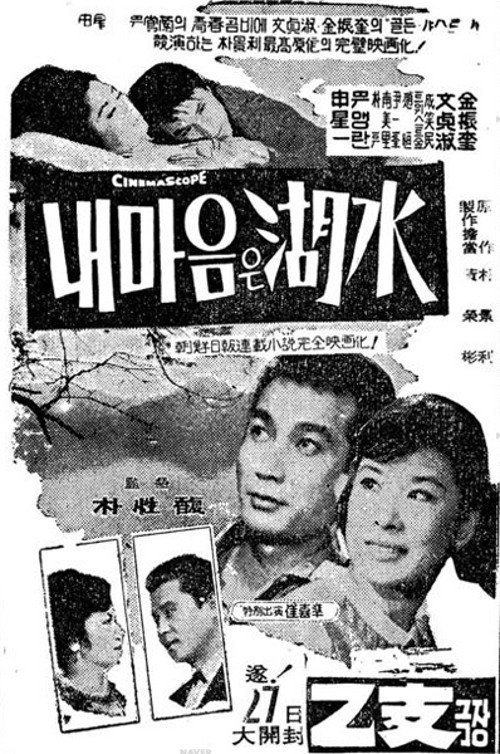
My Mind Is Like a Lake 1964
Step into the introspective world of *My Mind Is Like a Lake (1964)*, a quietly powerful drama directed by Park Seong-bok. The film unfolds like a reflective meditation, exploring the depths of human emotion and the ripple effects of personal choices.
Director: Park Seong-bok
Cast






Frequently Asked Questions
What is My Mind Is Like a Lake (1964) about?
This Korean drama delves into the quiet turmoil of a man's inner world, where past regrets and unresolved emotions surface like ripples in a lake. The story follows his journey as he confronts memories that shape his present, all while navigating the complexities of human connection.
Who directed My Mind Is Like a Lake?
Park Seong-bok directed this introspective drama, known for his ability to craft deeply personal stories with emotional resonance.
Who stars in My Mind Is Like a Lake?
The film features Shin Seong-il, Um Aing-ran, Moon Jeong-suk, Kim Jin-kyu, and Park Am in central roles, each bringing depth to their characters.
Is My Mind Is Like a Lake (1964) worth watching?
For fans of slow-burn dramas with emotional depth, *My Mind Is Like a Lake* offers a rewarding experience. Its themes of memory and regret, paired with strong performances, make it a compelling watch—though it may not suit those seeking fast-paced action.
How long is My Mind Is Like a Lake?
Runtime details are not listed.
About My Mind Is Like a Lake (1964) — A Quiet Drama of Memory and Inner Turmoil
Step into the introspective world of *My Mind Is Like a Lake (1964)*, a quietly powerful drama directed by Park Seong-bok. The film unfolds like a reflective meditation, exploring the depths of human emotion and the ripple effects of personal choices. With Shin Seong-il anchoring the cast, the movie weaves together themes of memory, regret, and quiet resilience against the backdrop of mid-century Korean life.
Um Aing-ran and Moon Jeong-suk deliver nuanced performances, their characters' inner struggles mirroring the turbulent surface of a lake. Kim Jin-kyu's presence adds gravitas, while Park Am and Nam Mi-ri round out the ensemble with understated intensity. This isn't a film of grand gestures but of subtle revelations, where every glance and sigh carries weight. The black-and-white cinematography enhances the timeless quality of the story, making it a haunting companion for anyone drawn to slow-burn dramas.