Yûreitô 1932
Step back into early 1930s Japan and experience one of the country's first forays into pure cinematic dread with *Yûreitô* (幽霊塔), a haunting silent-era horror from 1932.
Director: Kôji Inaba
Cast
Frequently Asked Questions
What is Yûreitô (1932) about?
*Yûreitô* follows a disgraced scholar who becomes entangled in a web of ghostly apparitions and family curses after uncovering a dark secret tied to an ancient tower. As he delves deeper, he faces a spectral woman whose presence blurs the line between vengeance and redemption.
Who directed Yûreitô?
Kôji Inaba directed *Yûreitô* (1932), bringing a measured, atmospheric approach to Japan's early horror cinema.
Who stars in Yûreitô?
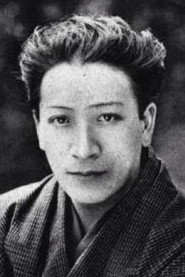
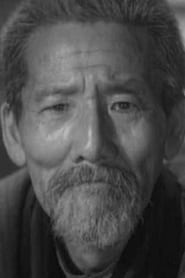
The film features Jūrō Tanizaki, Kokuten Kōdō, and Sakura Miyako in its central roles, each delivering performances steeped in quiet intensity.
Is Yûreitô (1932) worth watching?
*Yûreitô* may not be for modern audiences expecting fast-paced scares, but its historical significance and eerie atmosphere make it a rewarding watch for fans of silent-era horror. Think of it as a time capsule of cinematic terror that rewards patience and reverence for classic storytelling.
How long is Yûreitô?
Runtime details are not listed.
About Yûreitô (1932) — Japan's Chilling Silent Horror Classic Revisited
Step back into early 1930s Japan and experience one of the country's first forays into pure cinematic dread with *Yûreitô* (幽霊塔), a haunting silent-era horror from 1932. Directed by the understated yet visionary Kôji Inaba, this atmospheric ghost story weaves together chilling folklore and shadowy visuals to create a mood of creeping unease. The film is anchored by the magnetic presence of Jūrō Tanizaki, whose portrayal of a tormented scholar is matched by Kokuten Kōdō's eerie gravitas and Sakura Miyako's ethereal performance as the spectral figure at the story's heart. Set against moonlit gardens, decrepit mansions, and mist-laden forests, *Yûreitô* thrives on the power of suggestion, using silence and light to amplify its supernatural tension rather than relying on modern jump scares.
Though now almost a century old, *Yûreitô* (1932) remains a fascinating artifact for horror enthusiasts and film historians alike, offering a rare glimpse into Japan's early flirtation with the supernatural on film. Its themes of ancestral curses, forbidden knowledge, and the blurred line between life and death resonate deeply with traditional ghost tales like *kaidan*, while its dreamlike pacing invites viewers to slow down and savor every eerie moment. Even without dialogue or modern effects, Inaba's direction crafts a sense of dread that lingers long after the final frame fades—proof that sometimes, the most terrifying stories are the ones left half-told.