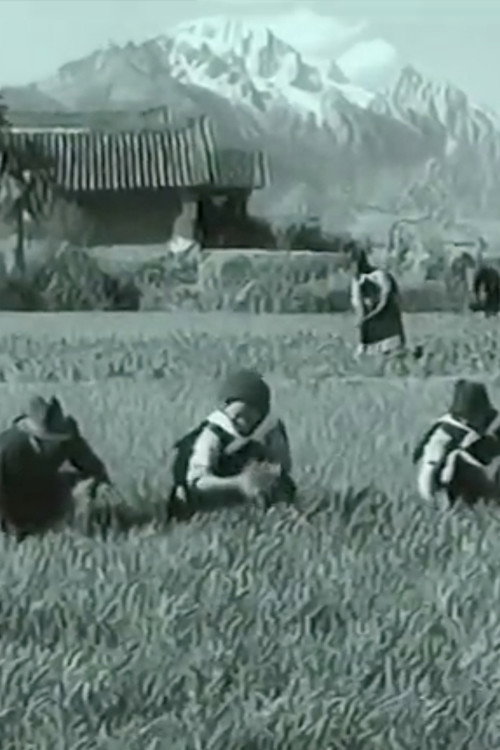
Naxi Art and Culture in Lijiang 1966
Step back to 1966 with *Naxi Art and Culture in Lijiang*, a concise yet evocative ethnographic film that captures the essence of the Naxi people's traditions, artistry, and daily life in the vibrant landscape of Lijiang.
Director: Yang Guanghai
Frequently Asked Questions
What is *Naxi Art and Culture in Lijiang* (1966) about?
This 31-minute documentary transports viewers to 1960s Lijiang, showcasing the rich artistic and cultural heritage of the Naxi people. Through curated visuals and narration, it highlights traditional crafts, music, and rituals that define this ethnic group's enduring legacy in southwest China.
Who directed *Naxi Art and Culture in Lijiang*?
The film was directed by Yang Guanghai, a figure whose work in ethnographic cinema helped preserve cultural narratives during a pivotal era in Chinese history.
Who stars in *Naxi Art and Culture in Lijiang*?
Cast details for this documentary-style film are not publicly listed, focusing instead on the Naxi community and its cultural practices.
Is *Naxi Art and Culture in Lijiang* (1966) worth watching?
While lacking a commercial rating, this short film offers a fascinating historical and cultural artifact for enthusiasts of ethnography and Chinese studies. Its brief runtime and niche appeal make it best suited for those interested in traditional art forms or regional histories.
How long is *Naxi Art and Culture in Lijiang*?
The film runs for 31 minutes, offering a concise yet immersive exploration of Naxi culture.
About Naxi Art and Culture in Lijiang (1966) — Discover the Ethereal Traditions of Lijiang's Naxi Community
Step back to 1966 with *Naxi Art and Culture in Lijiang*, a concise yet evocative ethnographic film that captures the essence of the Naxi people's traditions, artistry, and daily life in the vibrant landscape of Lijiang. Directed by Yang Guanghai, this 31-minute documentary immerses viewers in a world where ancient customs and creative expression intertwine, offering a rare glimpse into a culture preserved through the lens of Chinese historical filmmaking. The film's black-and-white visuals and deliberate pacing create an atmospheric meditation on heritage, time, and the fragility of traditions in a rapidly changing world.
Part of the acclaimed *Chinese Historical Ethnographic Film Series* (1957–1966), *Naxi Art and Culture in Lijiang (1966)* stands out as a time capsule, documenting rituals, music, and craftsmanship that define the Naxi identity. Its intimate portrayal of local artisans and their craft invites audiences to connect with a community whose creative spirit resonates even decades later.