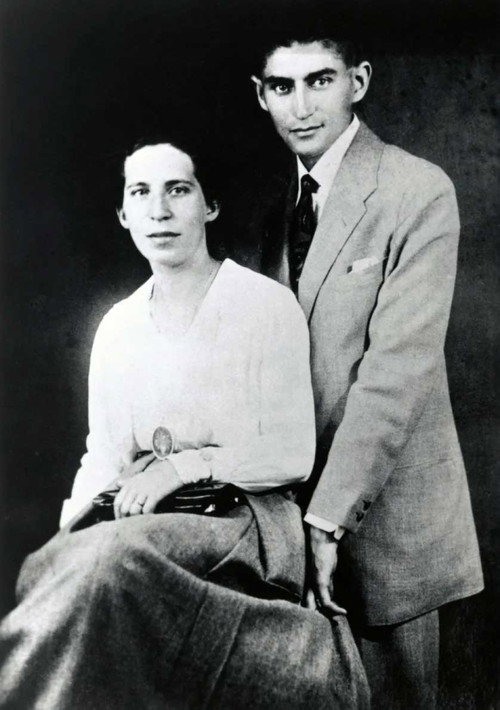
Franz Kafka, lettres à Félice et à Milena 2002
Robert Bober's 2002 documentary *Franz Kafka, lettres à Félice et à Milena* peels back the layers of Kafka's private world, weaving together the intimate correspondences that reveal the soul behind the literary giant's towering works.
Director: Robert Bober
Frequently Asked Questions
What is Franz Kafka, lettres à Félice et à Milena (2002) about?
The documentary traces Franz Kafka's emotional life through the letters he wrote to Felice Bauer and Milena Jesenská, two women who played pivotal roles in his personal and creative struggles. It offers a glimpse into the inner conflicts that shaped his writing, blending archival materials with intimate reflections on love, isolation, and artistic pursuit.
Who directed Franz Kafka, lettres à Félice et à Milena?
The film was directed by Robert Bober, a filmmaker known for his sensitive and insightful documentaries that explore literary and historical themes with depth and nuance.
Who stars in Franz Kafka, lettres à Félice et à Milena?
As a documentary, the film features Kafka himself through his writings and historical recordings, alongside narration and archival footage.
Is Franz Kafka, lettres à Félice et à Milena (2002) worth watching?
This documentary is a compelling watch for fans of Franz Kafka's work or anyone interested in the intersection of personal struggle and artistic brilliance. Its thoughtful presentation and emotional resonance make it a rewarding experience, especially for those drawn to intimate portraits of literary figures.
How long is Franz Kafka, lettres à Félice et à Milena?
Runtime details are not listed.
About Franz Kafka, lettres à Félice et à Milena (2002) — How Kafka's letters reveal the man behind the myth
Robert Bober's 2002 documentary *Franz Kafka, lettres à Félice et à Milena* peels back the layers of Kafka's private world, weaving together the intimate correspondences that reveal the soul behind the literary giant's towering works. Through archival footage and thoughtful narration, the film immerses viewers in the emotional turbulence of Kafka's life, particularly his intense, often agonizing relationships with Felice Bauer and Milena Jesenská. The atmosphere is one of quiet introspection, capturing the tension between Kafka's relentless self-doubt and his strained yet profound connections with these two women who shaped his writing. By focusing on these letters, Bober transforms Kafka from a distant literary legend into a relatable figure, his inner conflicts laid bare through the raw honesty of his words. The documentary becomes a meditation on love, artistry, and the solitude that defines genius.
Filmed with a contemplative pace, *Franz Kafka, lettres à Félice et à Milena* invites audiences to explore the contradictions that defined Kafka's existence—his yearning for intimacy versus his fear of entanglement, his devotion to writing despite its isolating demands. The film's strength lies in its ability to translate the raw emotional weight of Kafka's letters into a visual and auditory experience that resonates with anyone who has ever grappled with the gap between the life they live and the life they aspire to. It's a portrait not just of a writer, but of human frailty and the quiet desperation that fuels creation.