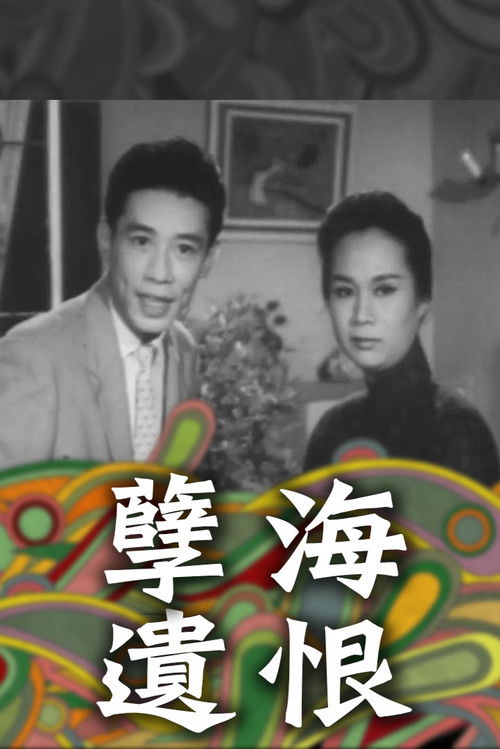
A Man Betrayal, Part Two 1962
A Man Betrayal, Part Two (1962), directed by the masterful Chor Yuen, plunges audiences into the turbulent heart of 19th-century China with a gripping tale of honor, deceit, and redemption.
Director: Chor Yuen
Cast
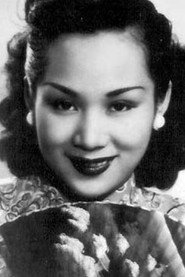
Pak Yin
Lui Bikman
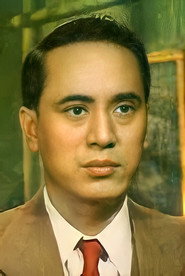
Cheung Wood-Yau
Lui Duksing
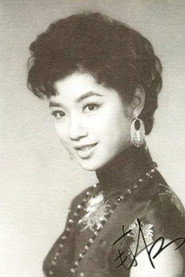
Nam Hung
Chor Mei
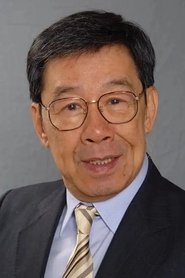
Woo Fung
Yip Gimching
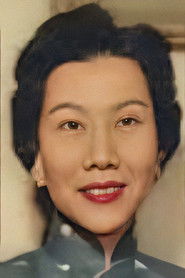
Wong Man-Lei
Duksing's mother
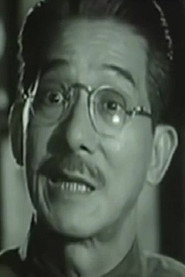
Wong Cho-San
Do Ping
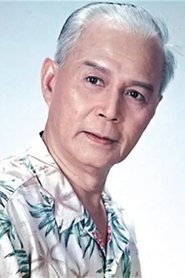
Sze-Ma Wah-Lung
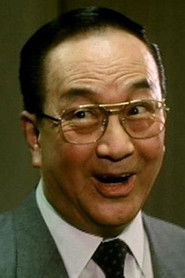
Keung Chung-Ping
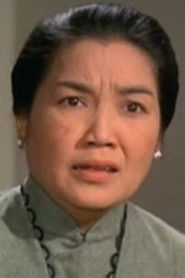
Lai Man
Frequently Asked Questions
What is A Man Betrayal, Part Two (1962) about?
Set in 19th-century China, the film follows a protagonist whose trust is shattered by a close ally, leading him on a path of vengeance and self-discovery. As political schemes unfold, the story examines the cost of betrayal and the struggle to reclaim honor.
Who directed A Man Betrayal, Part Two?
The film was directed by Chor Yuen, a renowned figure in Cantonese cinema known for his work in historical dramas and martial arts films.
Who stars in A Man Betrayal, Part Two?
The film features a powerhouse cast led by Pak Yin, Cheung Wood-Yau, Nam Hung, Woo Fung, and Wong Man-Lei.
Is A Man Betrayal, Part Two (1962) worth watching?
While the film is unrated on IMDb, its historical drama genre and Chor Yuen's direction make it a compelling watch for fans of classic Cantonese cinema. The themes of betrayal and redemption, paired with strong performances, add depth to this 93-minute drama.
How long is A Man Betrayal, Part Two?
The runtime of A Man Betrayal, Part Two is 93 minutes.
About A Man Betrayal, Part Two (1962) — A Classic Cantonese Drama of Betrayal and Redemption
A Man Betrayal, Part Two (1962), directed by the masterful Chor Yuen, plunges audiences into the turbulent heart of 19th-century China with a gripping tale of honor, deceit, and redemption.
This classic history-drama unfolds against a backdrop of political intrigue and personal betrayal, where loyalty is tested and every alliance comes at a price. With Pak Yin and Cheung Wood-Yau leading a stellar cast, the film blends raw emotion with meticulous historical detail, creating an atmosphere thick with tension and moral complexity. The story's exploration of trust shattered and vengeance sought resonates through its dramatic performances and richly crafted visuals, making it a standout entry in the golden era of Cantonese cinema.