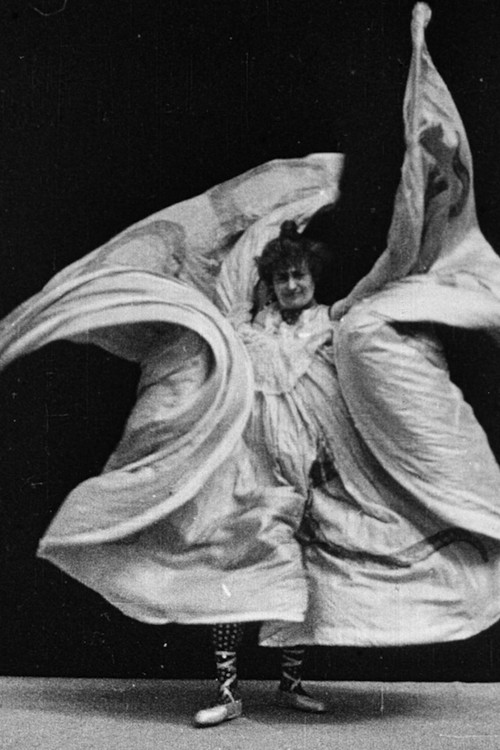
Serpentine Dance 1902
One of cinema's earliest visual spectacles, *Serpentine Dance (1902)* brings to life a mesmerizing performance by Lina Esbrard, a dancer whose flowing costumes and hypnotic movements create the illusion of serpents slithering across the screen.
Director: Alice Guy-Blaché
Cast
Frequently Asked Questions
What is Serpentine Dance (1902) about?
*Serpentine Dance (1902)* captures dancer Lina Esbrard in a fluid, undulating performance where her flowing costume creates the illusion of slithering serpents. The film is a short but striking example of early cinematic experimentation, using movement and fabric to evoke motion and grace.
Who directed Serpentine Dance?
Alice Guy-Blaché directed *Serpentine Dance (1902)*. Known as one of the first female filmmakers, her work helped shape the language of early cinema through innovative storytelling and visual techniques.
Who stars in Serpentine Dance?
The film stars Lina Esbrard, a celebrated dancer of the era renowned for her serpentine dance style.
Is Serpentine Dance (1902) worth watching?
While its runtime is under two minutes, *Serpentine Dance (1902)* is a fascinating artifact of early cinema and a testament to Alice Guy-Blaché's pioneering spirit. Its hypnotic visuals and historical significance make it a must-watch for silent film enthusiasts and anyone interested in the evolution of dance on film.
How long is Serpentine Dance?
The runtime for *Serpentine Dance (1902)* is approximately 2 minutes.
About Serpentine Dance (1902) — Discover the mesmerizing early silent film by Alice Guy-Blaché
One of cinema's earliest visual spectacles, *Serpentine Dance (1902)* brings to life a mesmerizing performance by Lina Esbrard, a dancer whose flowing costumes and hypnotic movements create the illusion of serpents slithering across the screen. Directed by Alice Guy-Blaché, a pioneer of narrative filmmaking, this two-minute short film blends music and motion in a way that feels both primitive and visionary. The piece is part of a quartet of Gaumont-produced dances, each showcasing a different style, but this one stands out for its dreamlike quality—its swirling fabrics and rhythmic grace hint at the birth of cinematic choreography. For fans of early film or anyone curious about the origins of dance on celluloid, *Serpentine Dance* offers a fleeting but unforgettable glimpse into a moment when motion pictures were still discovering their artistic potential.
Wrapped in the elegance of Belle Époque aesthetics, the film captures the essence of a lost era, where performance art was transitioning into a new medium. Guy-Blaché's direction, though constrained by the technical limits of 1902, infuses the work with a playful experimentation that feels ahead of its time. The choice of Esbrard, a cosmopolitan dancer known for her signature serpentine style, ensures the film is both a historical curiosity and a hypnotic experience—even today, its brevity makes it a standout in the annals of silent cinema.