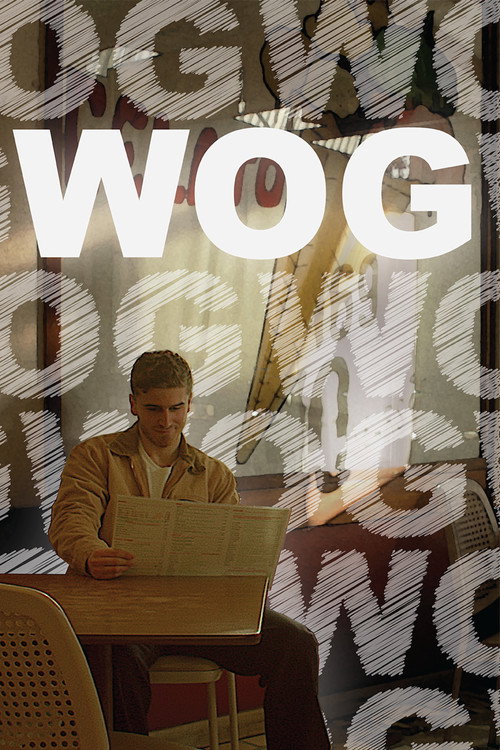
Wog 2024
Dive into the provocative short documentary *Wog (2024)*, directed by Paris Piccolo, as it unpacks the loaded term "wog" and its layered meanings across cultures.
Director: Paris Piccolo
Cast


Frequently Asked Questions
What is Wog (2024) about?
*Wog (2024)* examines the contentious term "wog," exploring its historical and cultural baggage through personal stories and societal perspectives. The film doesn't shy away from the controversy, instead using it as a lens to discuss language, power, and identity.
Who directed Wog?
Paris Piccolo directed *Wog (2024)*, bringing a sharp, documentary-style focus to the film's exploration of language and its impact.
Who stars in Wog?
The documentary features Charles Lattuca, Zoe Carides, Giorgio Serratore, and Joe Avati among its key participants, each offering unique insights into the term's significance.
Is Wog (2024) worth watching?
While *Wog (2024)* is a short documentary, its bold approach to a controversial topic makes it a compelling watch. The film's themes and the director's intent align well with its concise runtime, offering a punchy yet meaningful experience.
How long is Wog?
The runtime of *Wog (2024)* is approximately 5 minutes.
About Wog (2024) — A Short Documentary on Language and Identity
Dive into the provocative short documentary *Wog (2024)*, directed by Paris Piccolo, as it unpacks the loaded term "wog" and its layered meanings across cultures. Through candid interviews and diverse perspectives, the film dissects how language shapes identity, prejudice, and belonging. With a runtime of just five minutes, Piccolo's concise yet impactful exploration challenges viewers to reflect on the power of words and their emotional resonance. The documentary's raw atmosphere is amplified by performances from Charles Lattuca, Zoe Carides, Giorgio Serratore, and Joe Avati, whose contributions add depth to the discourse.
A microcosm of broader conversations about race and terminology, *Wog (2024)* transcends its brief runtime to deliver a thought-provoking experience. By blending personal anecdotes with societal critique, Piccolo crafts a film that lingers long after the credits roll, inviting audiences to reconsider the words they use and their weight in modern discourse.