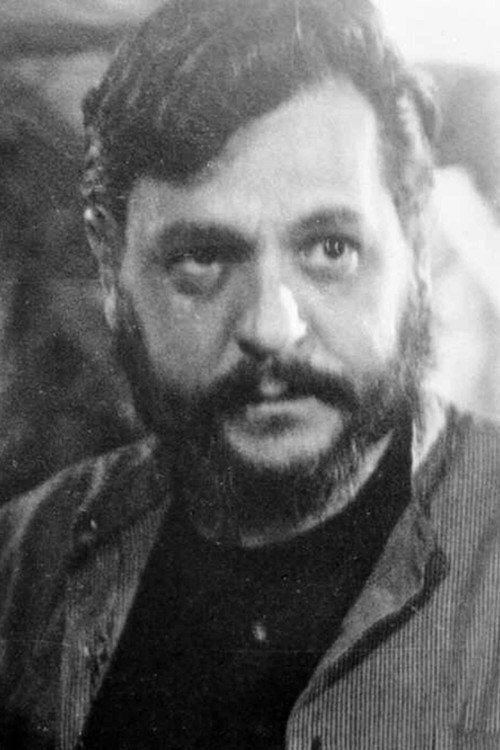
Religion in Mexico: Chiapas 1968
Step back to 1968 with Paul Leduc's concise yet evocative documentary *Religion in Mexico: Chiapas*, a 20-minute black-and-white snapshot of faith and resistance in the misty highlands.
Director: Paul Leduc
Frequently Asked Questions
What is *Religion in Mexico: Chiapas* (1968) about?
This short documentary immerses viewers in the religious and cultural life of the Chiapas Highlands during Holy Week 1968. It juxtaposes centuries-old indigenous traditions with the charged atmosphere of a region still raw from past uprisings, offering a poetic yet political reflection on belief as both ritual and resistance.
Who directed *Religion in Mexico: Chiapas*?
Paul Leduc, the acclaimed Mexican filmmaker known for his observational, politically charged documentaries like *Reed: Insurgent Mexico*, directed *Religion in Mexico: Chiapas*.
Who stars in *Religion in Mexico: Chiapas*?
Director information about the cast is not available, but the film's real-life subjects—the indigenous communities and clergy of Chiapas—bring authenticity and depth to its portrayal.
Is *Religion in Mexico: Chiapas* (1968) worth watching?
As a 20-minute documentary, *Religion in Mexico: Chiapas* may appeal more to students of Mexican history and anthropology than general audiences. Its quiet power lies in its visual storytelling, though its unrated status and lack of wider distribution limit its reach. Still, it's a fascinating time capsule for those interested in the intersection of religion and social identity.
How long is *Religion in Mexico: Chiapas*?
The runtime is 20 minutes.
About Religion in Mexico: Chiapas (1968) — A Haunting 1968 Portrait of Faith and Rebellion
Step back to 1968 with Paul Leduc's concise yet evocative documentary *Religion in Mexico: Chiapas*, a 20-minute black-and-white snapshot of faith and resistance in the misty highlands. Shot during Holy Week—coinciding with the centennial of the Chamulas' 1868 uprising—the film traces how indigenous traditions and Catholic rituals intertwine against a backdrop of political tension. Through quiet observation, Leduc captures the rhythms of devotion: processions winding through colonial streets, chanting under candlelit churches, and the stubborn resilience of a culture that has endured centuries of change. The air hums with a sense of history pressing against the present, where every hymn and procession echoes an unyielding spirit.
By focusing on the stark contrasts between indigenous practice and external authority, *Religion in Mexico: Chiapas* transcends mere ethnography to become a visual meditation on identity and survival. The harsh beauty of the Chiapas landscape mirrors the film's themes—purity and defiance, tradition and transformation—inviting viewers to witness not just a holiday, but a living continuum of belief. Whether you're drawn to its historical resonance or its cinematic restraint, the film offers a glimpse into a world where faith is both a shield and a spark.