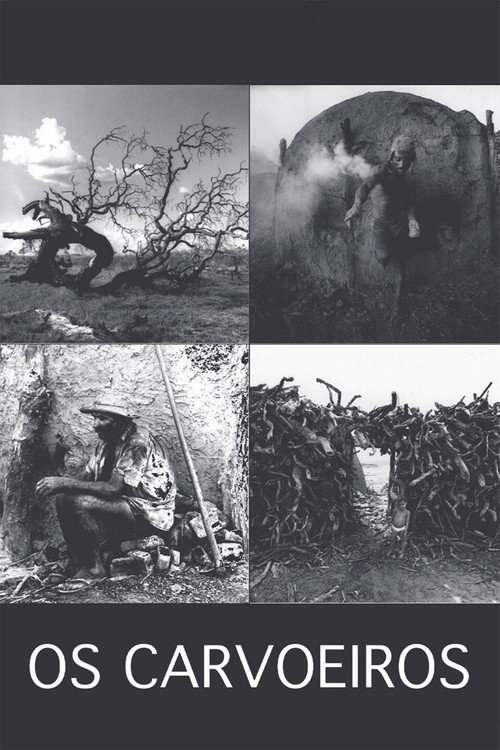
The Charcoal People 2000
Directed by Nigel Noble, *The Charcoal People (2000)* plunges into the stark realities of environmental devastation through the eyes of Brazil's most vulnerable populations.
Director: Nigel Noble
Frequently Asked Questions
What is The Charcoal People (2000) about?
*The Charcoal People (2000)* follows migrant workers in the Amazon rainforest who burn timber to produce charcoal for pig iron, a key material in car manufacturing. The documentary spotlights the harsh realities of their daily lives, where adults and children alike work in near-toxic conditions for minimal pay, highlighting the intersection of poverty and environmental destruction.
Who directed The Charcoal People?
The film was directed by Nigel Noble, known for his documentary work that blends social critique with intimate storytelling.
Who stars in The Charcoal People?
Director information on the cast is not available in public records for this documentary.
Is The Charcoal People (2000) worth watching?
As a documentary, *The Charcoal People (2000)* offers a sobering yet essential perspective on environmental and labor issues. While it lacks a traditional rating, its impact lies in its uncompromising portrayal of human struggle and ecological harm, making it a compelling watch for those interested in social and environmental films.
How long is The Charcoal People?
The documentary runs for 64 minutes.
About The Charcoal People (2000) — A haunting documentary on poverty and Amazon deforestation
Directed by Nigel Noble, *The Charcoal People (2000)* plunges into the stark realities of environmental devastation through the eyes of Brazil's most vulnerable populations. This gripping documentary exposes the grim cycle of poverty and ecological ruin as migrant workers—many of them children and elderly—burn Amazon timber in makeshift igloo-like kilns to produce charcoal for pig iron, a process fueling the global automobile industry. Their bodies stained gray by ash, these laborers earn a meager $2 a day while battling toxic fumes and the slow erosion of their land. Noble's lens captures their daily struggles with raw honesty, blending haunting visuals with unflinching humanity.
The film's atmosphere is one of quiet desperation, where survival hinges on backbreaking labor and the erasure of a vital ecosystem. By focusing on the human cost behind industrial demand, *The Charcoal People (2000)* transcends mere environmental critique—it becomes a testament to resilience in the face of systemic neglect. Whether viewed as a call to action or a stark portrait of exploitation, this documentary lingers long after the credits roll.