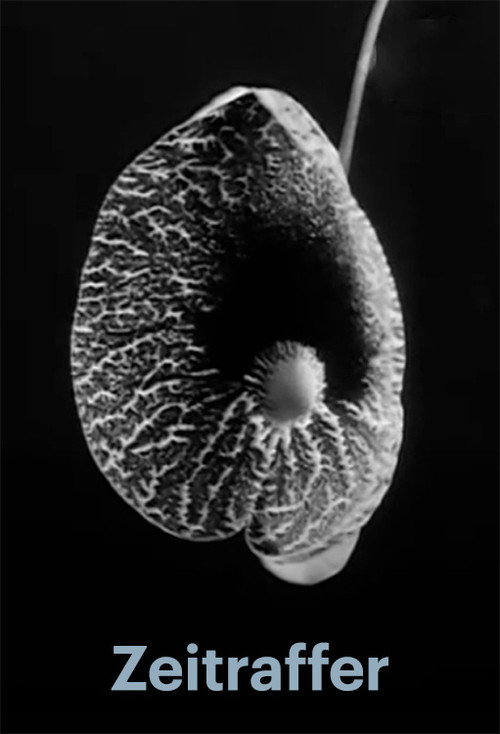
Time-lapse 1930
Directed by the visionary Jan Cornelis Mol, *Time-lapse (1930)* is a captivating documentary that transforms the unseen magic of nature into a mesmerizing visual experience.
Director: Jan Cornelis Mol
Frequently Asked Questions
What is Time-lapse (1930) about?
*Time-lapse (1930)* invites you into the hidden world of nature's growth, condensing days and weeks into mere minutes. The film captures the subtle yet powerful transformation of plants and flowers, revealing the intricate processes that unfold in silence. It's a study in patience and persistence, framed through the lens of early cinematic innovation.
Who directed Time-lapse?
Jan Cornelis Mol is the director behind *Time-lapse (1930)*, a filmmaker known for pushing the boundaries of visual storytelling in the documentary genre.
Who stars in Time-lapse?
Cast details for *Time-lapse (1930)* are not publicly available.
Is Time-lapse (1930) worth watching?
As a 1930s documentary, *Time-lapse* offers a fascinating glimpse into early filmmaking techniques and the wonders of nature. While it may lack modern pacing, its historical and educational value makes it a curious watch for enthusiasts of vintage cinema and botany alike.
How long is Time-lapse?
*Time-lapse (1930)* runs for 103 minutes.
Time-lapse (1930): Decoding Nature's Secret Growth — Full Documentary Info
Directed by the visionary Jan Cornelis Mol, *Time-lapse (1930)* is a captivating documentary that transforms the unseen magic of nature into a mesmerizing visual experience. Through meticulously captured footage, the film accelerates the slow, rhythmic dance of growth—unfolding petals, stretching vines, and sprouting seeds in a breathtaking symphony of life. Mol's lens turns ordinary botanical processes into something extraordinary, inviting viewers to witness the quiet yet relentless force of nature in a way that feels both intimate and awe-inspiring.
Set against the backdrop of early 20th-century scientific curiosity, *Time-lapse (1930)* blends artistry with education, offering a rare glimpse into the hidden rhythms of the natural world. The film's meditative pace and striking imagery create an atmosphere of wonder, making it a standout in the documentary genre. Whether you're a nature enthusiast or a cinephile, Mol's work promises a unique perspective on the cycles that shape our environment.