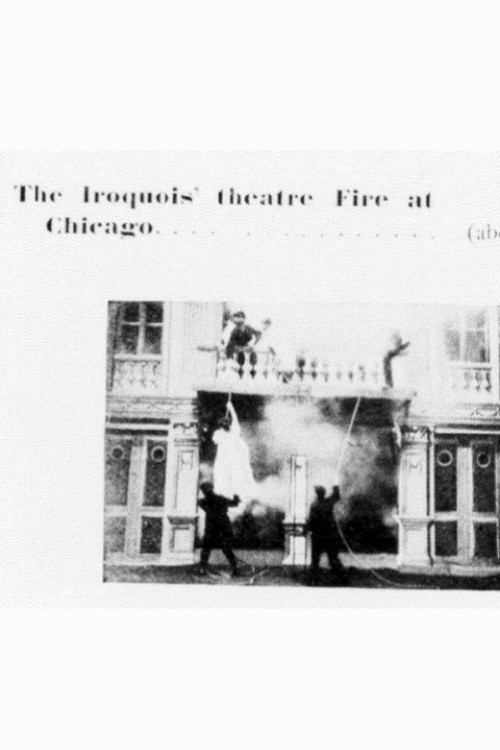
Iroquois Theatre Fire in Chicago 1904
Lucien Nonguet's 1904 short film recreates the harrowing Iroquois Theatre Fire in Chicago, a tragic event that claimed over 600 lives in a single afternoon.
Director: Lucien Nonguet
Frequently Asked Questions
What is Iroquois Theatre Fire in Chicago (1904) about?
This short silent film recreates the devastating fire at Chicago's Iroquois Theatre, a real-life tragedy that unfolded in just minutes. It captures the chaos and loss of life as patrons fled for safety, leaving behind a community forever changed. The film serves as a stark reminder of the era's dangers and the cost of overlooked safety measures.
Who directed Iroquois Theatre Fire in Chicago?
The film was directed by Lucien Nonguet, a pioneer of early motion pictures known for his historical recreations.
Who stars in Iroquois Theatre Fire in Chicago?
Cast details are unavailable, as the original performers were not credited in the film.
Is Iroquois Theatre Fire in Chicago (1904) worth watching?
As a historical document and early example of cinematic drama, the film offers a unique glimpse into a pivotal moment. While its length and silent format may limit its appeal, its historical significance makes it a compelling watch for film history enthusiasts and those interested in early 20th-century tragedies.
How long is Iroquois Theatre Fire in Chicago?
The film runs for 3 minutes, a brief but impactful runtime that amplifies its intensity.
About Iroquois Theatre Fire in Chicago (1904) — A 3-Minute Silent Drama Revisiting History's Deadliest Theatre Disaster
Lucien Nonguet's 1904 short film recreates the harrowing Iroquois Theatre Fire in Chicago, a tragic event that claimed over 600 lives in a single afternoon. Shot in just three minutes, the silent drama captures the panic and human drama of the actual disaster, immersing viewers in the era's architectural risks and safety failures. With its stark, documentary-like approach, the film transforms historical tragedy into a visceral experience, leaving audiences to reflect on the consequences of neglect and the fragility of life.
Though the original cast remains a mystery, Nonguet's work stands as a poignant example of early cinema's power to revisit pivotal moments in history. The film's unflinching portrayal of a community in crisis lingers long after the final frame, blending drama with historical weight. A haunting artifact of silent-era filmmaking, it invites modern viewers to ponder how such disasters could have been prevented—and why their lessons still matter today.