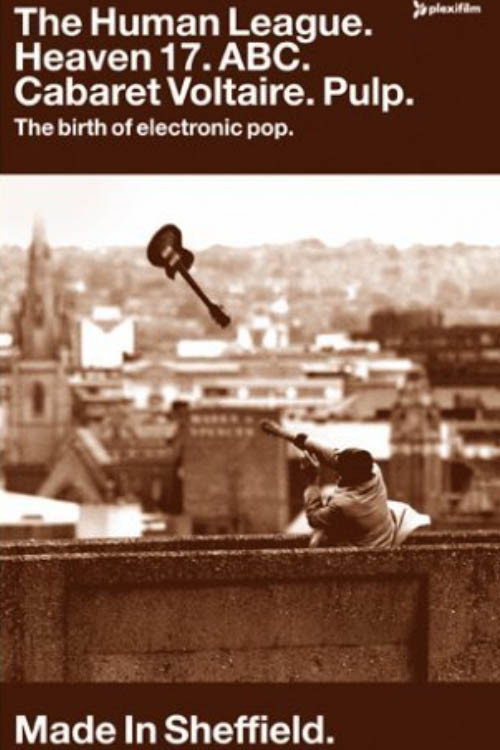
Made in Sheffield 2001
"The birth of electronic pop."
Step back to the late 70s and early 80s, when Sheffield's rusty post-industrial streets became the unlikely cradle of electronic pop.
Director: Eve Wood
Frequently Asked Questions
What is Made in Sheffield (2001) about?
*Made in Sheffield (2001)* dives into the late-70s/early-80s music scene that turned this gritty Yorkshire city into an electronic powerhouse. It profiles pioneering bands who blended synths, drum machines, and sheer creativity to craft a sound that felt both futuristic and distinctly Sheffield.
Who directed Made in Sheffield?
The documentary was helmed by Sheffield-born filmmaker Eve Wood, who grew up during the same era and brings an insider's passion to the project.
Who stars in Made in Sheffield?
Interviews feature members of The Human League, Pulp, The Extras, and Cabaret Voltaire, among others, offering firsthand accounts of the scene's rise.
Is Made in Sheffield (2001) worth watching?
At just 52 minutes, *Made in Sheffield* is a punchy primer on a pivotal era in UK music. While it's unrated, its focus on innovation and authenticity makes it a compelling watch for fans of synth-pop and post-punk alike.
How long is Made in Sheffield?
The film runs 52 minutes—perfect for a concise, immersive dive into Sheffield's electronic legacy.
🎥 Trailer
About Made in Sheffield (2001) — How a Northern Town Sparked the Electronic Pop Revolution
Step back to the late 70s and early 80s, when Sheffield's rusty post-industrial streets became the unlikely cradle of electronic pop. Director Eve Wood's *Made in Sheffield (2001)* captures a raw, inventive moment when local bands like The Human League, ABC, Heaven 17, and Cabaret Voltaire plugged their synths into the city's grit and turned it into something futuristic. The 52-minute documentary isn't just a history lesson—it's a time capsule of clattering drum machines, soaring vocals, and DIY experimentation that rewrote the UK's musical rulebook.
Through candid interviews with key figures from Pulp, The Extras, and The Human League, the film reveals how a tight-knit group of outsiders rode electronic experimentation into mainstream pop history. It's a celebration of innovation over polish, where every distorted synth line and self-built sequencer felt like a rebellion against the era's rock orthodoxy.