Eid 2024
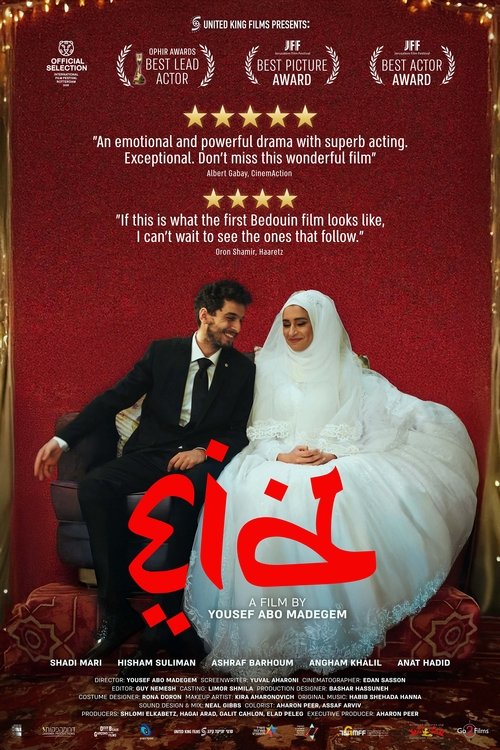
In Yousef Abo Madegem's deeply moving drama *Eid (2024)*, a young Bedouin man from the Negev desert navigates the collision of tradition and personal aspiration.
Director: Yousef Abo Madegem
Cast

Shadi Mar'i
Eid
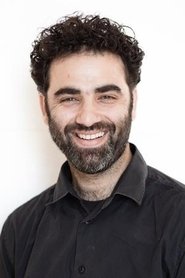
Hisham Suliman
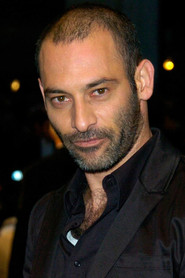
Ashraf Barhom
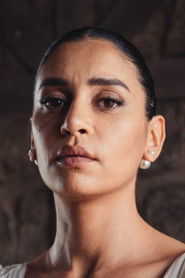
Angham Khalil
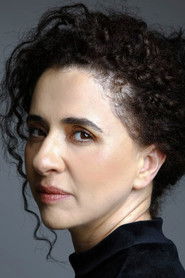
Anat Hadid

Zalfa Seurat
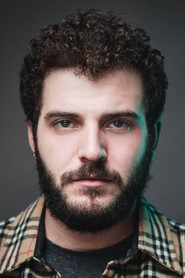
Carlos Gharzuzi
Frequently Asked Questions
What is Eid (2024) about?
*Eid (2024)* follows a young Bedouin man who balances his creative ambitions with the pressures of his family and community. When he's forced into an arranged marriage, he must decide whether to conform or defy expectations to pursue his artistic vision.
Who directed Eid?
Yousef Abo Madegem directs *Eid (2024)*, bringing a keen eye to the film's emotional and cultural depth.
Who stars in Eid?
The film stars Shadi Mar'i, Hisham Suliman, Ashraf Barhom, Anat Hadid, and Angham Khalil in pivotal roles.
Is Eid (2024) worth watching?
With its compelling blend of drama and intimate storytelling, *Eid (2024)* is a thoughtful exploration of identity and choice. While its unrated status leaves critical reception uncertain, its themes and performances make it a compelling watch for fans of character-driven films.
How long is Eid?
*Eid (2024)* runs for 90 minutes, offering a concise yet immersive cinematic experience.
🎥 Trailer
About Eid (2024) — A Bedouin's Struggle Between Tradition and Dreams
In Yousef Abo Madegem's deeply moving drama *Eid (2024)*, a young Bedouin man from the Negev desert navigates the collision of tradition and personal aspiration. Through late-night Skype calls, Eid (Shadi Mar'i) shares his life and dreams with Dounia (Anat Hadid), a distant actress in Paris who becomes both his confidante and the inspiration for a play he's determined to write. But when his family arranges a marriage to a stranger, Eid's fragile sense of control begins to unravel, forcing him to confront the weight of cultural expectations and the fragility of his creative dreams.
With a quiet intensity and vivid storytelling, *Eid (2024)* explores themes of identity, belonging, and the courage it takes to rewrite one's own fate. The film's moody cinematography and authentic performances—particularly from Shadi Mar'i and Hisham Suliman—immerse viewers in a world where modernity and tradition clash, and where the search for meaning often feels as vast as the desert itself.