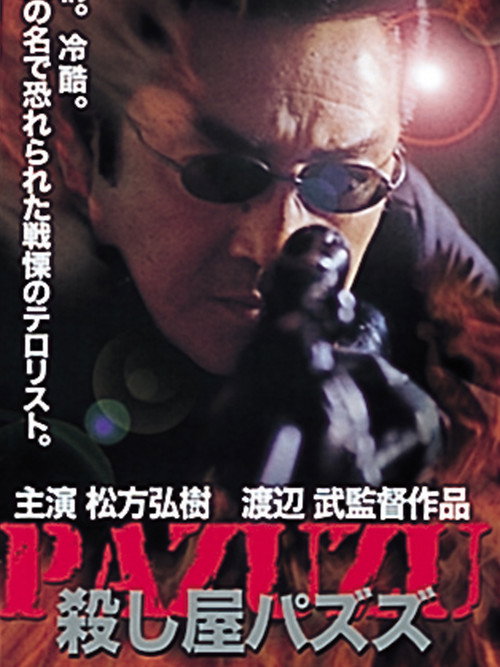
PAZUZU 2000
In Takeshi Watanabe's gritty 2000 crime thriller PAZUZU (2000), a tranquil life takes a dark turn when Togashi—a humble highway diner owner—accidentally becomes entangled in a dangerous web of debt.
Director: Takeshi Watanabe
Cast



Frequently Asked Questions
What is PAZUZU (2000) about?
PAZUZU follows Togashi, a highway restaurant owner living peacefully until a debt guarantee turns his life upside down. When a menacing collector, Kido, threatens him, Togashi's world collides with danger—and a mysterious woman named Keiko enters the picture, igniting a series of unpredictable events.
Who directed PAZUZU?
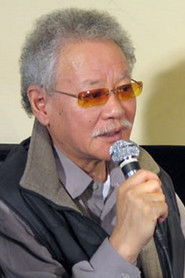
PAZUZU was directed by Takeshi Watanabe, known for his gritty storytelling in crime dramas.
Who stars in PAZUZU?
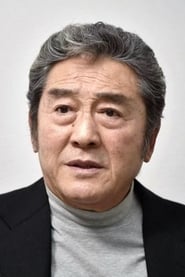
The film stars Hiroki Matsukata, Kaori Takahashi, Shinsuke Shimada, Masaki Kyomoto, and Tetsuo Ishidate in key roles.
Is PAZUZU (2000) worth watching?
As an unrated action-crime film, PAZUZU offers a tight 79-minute narrative packed with tension and moral dilemmas. Fans of atmospheric crime stories will appreciate its focus on character-driven drama over flashy action, though it may feel niche for mainstream audiences.
How long is PAZUZU?
PAZUZU has a runtime of 79 minutes.
About PAZUZU (2000) — A Quiet Man's Descent into Crime's Shadowy Depths
In Takeshi Watanabe's gritty 2000 crime thriller PAZUZU (2000), a tranquil life takes a dark turn when Togashi—a humble highway diner owner—accidentally becomes entangled in a dangerous web of debt. When his friend's unpaid loan drags him into the crosshairs of ruthless collector Kido, Togashi's quiet existence shatters under the weight of intimidation and fear. His ordeal takes a stranger twist when Keiko, a mysterious woman, enters the scene, setting off a chain of events steeped in tension and moral ambiguity.
Watanabe crafts a tense atmosphere where desperation clashes with survival, painting a raw portrait of ordinary people swept into extraordinary crises. With its blend of crime and action, PAZUZU dives into themes of obligation, consequence, and the blurred lines between right and wrong.