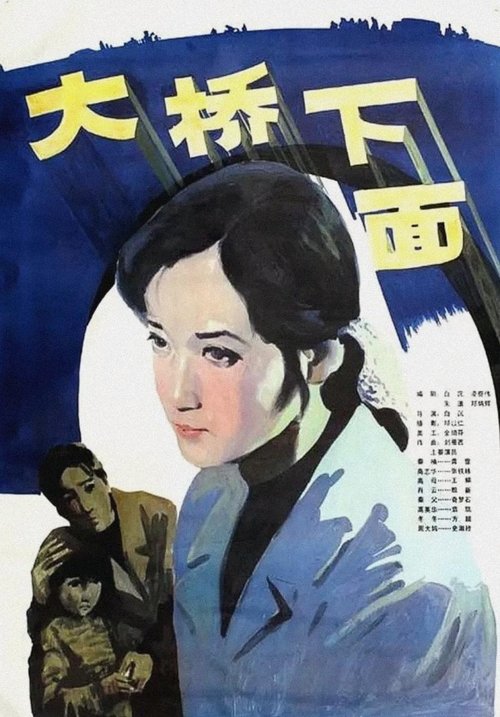
Under the Bridge 1984
Directed by Bai Chen, *Under the Bridge (1984)* is a poignant romance that blossoms in the aftermath of China's Cultural Revolution, a time when personal freedoms were tightly constrained.
Director: Bai Chen
Cast









Frequently Asked Questions
What is Under the Bridge (1984) about?
A tender romance set in a post-Cultural Revolution China, where two individuals pursue love despite societal restrictions. The film portrays their journey as a quiet rebellion against tradition, emphasizing personal freedom in matters of the heart.
Who directed Under the Bridge?
Bai Chen directed *Under the Bridge*, crafting a film that became an early symbol of romantic liberalization in Chinese cinema.
Who stars in Under the Bridge?
The film features Xue Gong, Zhang Tielin, Pin Wang, Xin Yin, and Qi Mengshi in its central cast.
Is Under the Bridge (1984) worth watching?
While its pacing may feel deliberate by modern standards, *Under the Bridge (1984)* offers historical and emotional value as a cultural artifact. Fans of classic romance films with deeper themes will appreciate its significance and understated charm.
How long is Under the Bridge?
The film runs for 110 minutes.
About Under the Bridge (1984) — The Romance That Defied Post-Revolution China
Directed by Bai Chen, *Under the Bridge (1984)* is a poignant romance that blossoms in the aftermath of China's Cultural Revolution, a time when personal freedoms were tightly constrained. Set against a backdrop of societal change, the film follows a young couple navigating love and self-discovery as they defy traditional expectations. With its delicate storytelling and emotional depth, the movie captures the quiet triumph of individual choice in matters of the heart. Stars like Xue Gong and Zhang Tielin bring authenticity to this early exploration of romantic liberation, making it a cultural landmark for its era.
Though the story may feel distant to modern audiences, *Under the Bridge (1984)* remains a significant milestone in Chinese cinema, symbolizing the slow but steady shift toward personal agency. Its understated charm lies in its portrayal of ordinary people reclaiming their right to love freely, a theme that resonates far beyond its historical context. A tender, reflective film, it invites viewers to reflect on how far societal norms have evolved—and how much they still endure.