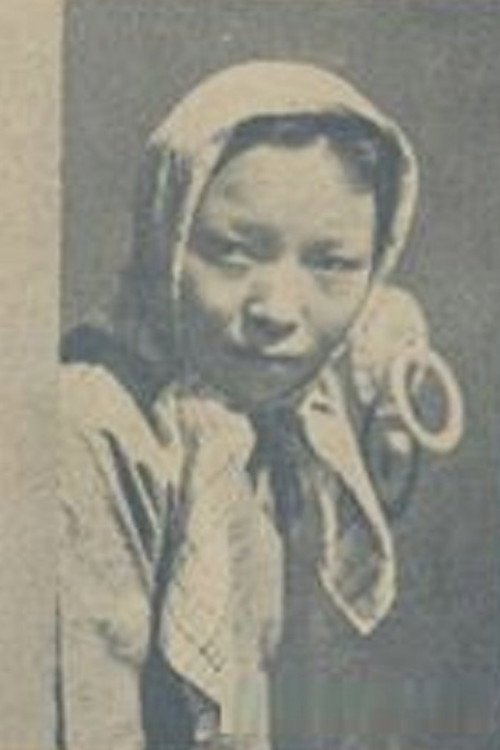
Flying Corpse in the Orchid Boudoir 1937
A haunting relic from 1937, *Flying Corpse in the Orchid Boudoir* stands as one of China's earliest forays into horror cinema, blending folklore with eerie atmosphere.
Director: Xu Xin-Fu
Cast
Frequently Asked Questions
What is Flying Corpse in the Orchid Boudoir (1937) about?
This 1937 Chinese horror film follows a tragic romance entwined with supernatural vengeance, as a grieving spirit refuses to rest and haunts the living from within an orchid-filled boudoir. The story unfolds against the backdrop of early 20th-century China, blending folklore with gothic dread.
Who directed Flying Corpse in the Orchid Boudoir?
The film was directed by Xu Xin-Fu, a pioneering figure in early Chinese cinema whose work helped shape the country's horror genre.
Who stars in Flying Corpse in the Orchid Boudoir?
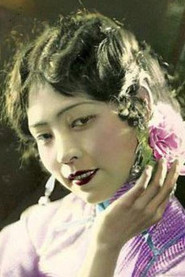
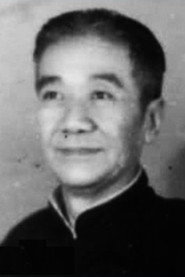
The film features Meijun Gu and Xinyuan Xu in the lead roles, delivering performances that anchor its eerie narrative.
Is Flying Corpse in the Orchid Boudoir (1937) worth watching?
As a historical curiosity, *Flying Corpse in the Orchid Boudoir* offers fans of classic horror a rare peek into early Asian chillers. While its scares are tame by today's standards, its atmospheric storytelling and cultural significance make it a compelling watch for genre enthusiasts.
How long is Flying Corpse in the Orchid Boudoir?
Runtime details are not listed.
About Flying Corpse in the Orchid Boudoir (1937) — China's Haunting Early Horror Classic
A haunting relic from 1937, *Flying Corpse in the Orchid Boudoir* stands as one of China's earliest forays into horror cinema, blending folklore with eerie atmosphere. Directed by Xu Xin-Fu, this atmospheric chiller transports viewers to a world where the dead defy the boundaries of the grave, all draped in the opulent yet ominous setting of a bygone era's grand boudoirs. Starring the luminous Meijun Gu and the compelling Xinyuan Xu, the film weaves a tale of supernatural dread and emotional turmoil, where love and loss intertwine with the macabre. The flickering shadows and whispering winds of its setting create a palpable sense of unease, making it a fascinating watch for fans of classic horror and historical cinema alike.
Though modest by modern standards, *Flying Corpse in the Orchid Boudoir* holds a unique place in film history, offering a glimpse into the horror traditions of early 20th-century China. Its reliance on suggestion and mood over cheap scares reflects the era's storytelling priorities, immersing audiences in a bygone world where the supernatural feels both exotic and eerily familiar. For those curious about the roots of Asian horror, this 1937 gem provides a compelling starting point, even if its legacy remains shrouded in the mists of time.