Ghost Story: Flower House 1991
Directed by Teruhiko Kuze, *Ghost Story: Flower House* (1991) weaves a haunting tapestry of Japanese horror steeped in generational secrets and supernatural dread.
Director: Teruhiko Kuze
Cast

Frequently Asked Questions
What is Ghost Story: Flower House (1991) about?
Set in a Western-style house, the film follows generations of women tied to a Kannon statue that sheds tears, revealing decades of hidden sorrow and supernatural secrets. The story unfolds as the statue's eerie presence binds mothers and daughters in a cycle of love, loss, and lingering regret.
Who directed Ghost Story: Flower House?
Teruhiko Kuze directed *Ghost Story: Flower House*, bringing a measured, atmospheric approach to this supernatural drama.
Who stars in Ghost Story: Flower House?
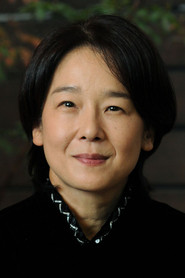
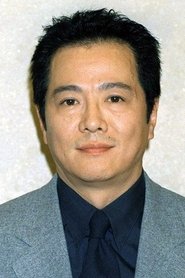
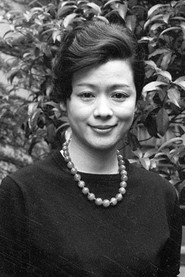
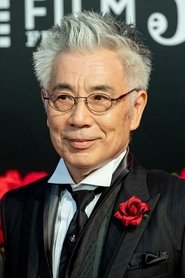
The film stars Yuko Tanaka, Jinpachi Nezu, Miyuki Matsuda, Haruko Katō, and Issey Ogata, with Simon Yotsuya rounding out the ensemble.
Is Ghost Story: Flower House (1991) worth watching?
As a TV movie rooted in psychological horror and folklore, it offers a slow-burn experience that rewards patience with its atmospheric storytelling. While not widely rated, its themes and unique premise make it a hidden gem for fans of quiet, atmospheric chillers.
How long is Ghost Story: Flower House?
*Ghost Story: Flower House* runs for 94 minutes.
About Ghost Story: Flower House (1991) — A Haunting Legacy of Generational Regret
Directed by Teruhiko Kuze, *Ghost Story: Flower House* (1991) weaves a haunting tapestry of Japanese horror steeped in generational secrets and supernatural dread. The film unfolds around a Western-style mansion where an ancient Kannon statue weeps, its tears mirroring the sorrow of five decades lived by mothers and daughters bound to its eerie presence. As time collapses into memory and regret, the story blends folklore with psychological horror, exploring themes of legacy, loss, and the inescapable weight of the past. Yuko Tanaka leads a compelling cast, anchoring a narrative that lingers like the statue's ominous presence.
This atmospheric chiller thrives on quiet dread, transforming a seemingly quiet home into a vessel for ghosts—both literal and emotional. The Kannon's silent tears become a symbol of unresolved pain, passed down through generations as the women of the house navigate love, sacrifice, and survival. With its slow-burn tension and melancholic tone, *Ghost Story: Flower House* offers a unique twist on supernatural storytelling, where the real horror lies not in jump scares, but in the slow unraveling of familial bonds.