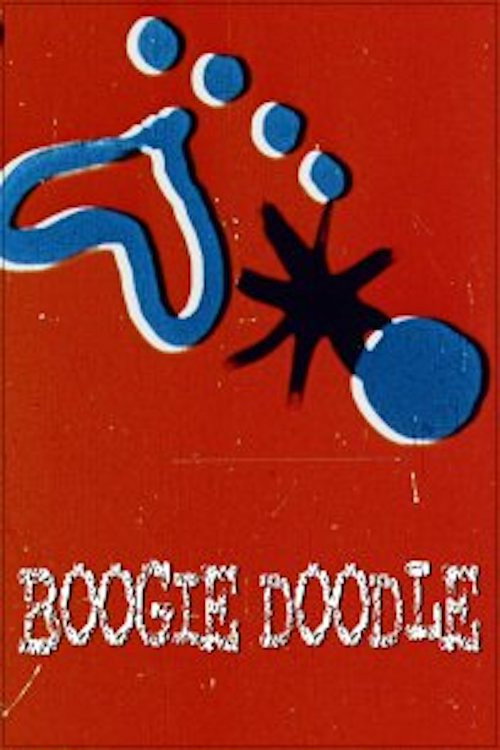
Boogie-Doodle 1941
Boogie-Doodle (1941) is a groundbreaking animated short that blends jazz rhythm with abstract visual artistry, creating a mesmerizing four-minute experiment in sound and color.
Director: Norman McLaren
Frequently Asked Questions
What is Boogie-Doodle (1941) about?
This four-minute animated short merges the energetic piano rhythms of Albert Ammons with Norman McLaren's hand-drawn doodles, turning musical notes and abstract shapes into a flowing, colorful spectacle. The result is a rhythmic visual symphony where art and music entwine seamlessly.
Who directed Boogie-Doodle?
Norman McLaren, the visionary animator known for his experimental techniques, directed Boogie-Doodle.
Who stars in Boogie-Doodle?
The film features jazz pianist Albert Ammons providing the musical backbone, while Norman McLaren's doodles take center stage as the visual performer.
Is Boogie-Doodle (1941) worth watching?
Though brief, this 1941 animated short is a delightful treat for fans of jazz, abstract art, and experimental filmmaking. Its unique approach and vibrant energy make it a surprisingly timeless piece that's easy to revisit.
How long is Boogie-Doodle?
The runtime of Boogie-Doodle is just 4 minutes.
About Boogie-Doodle (1941) — A Jazz-Inspired Animated Short That Dances with Color
Boogie-Doodle (1941) is a groundbreaking animated short that blends jazz rhythm with abstract visual artistry, creating a mesmerizing four-minute experiment in sound and color. Directed by Norman McLaren and set to the boogie-woogie piano stylings of Albert Ammons, the film transforms raw doodles and musical notes into a vibrant, flowing dance of shapes and hues. The title itself appears in eight languages, hinting at its universal appeal and playful spirit. This fleeting but unforgettable experience feels like a celebration of creativity, where music and drawing merge into pure, hypnotic motion.
At its core, Boogie-Doodle is a testament to McLaren's innovative techniques—crafted entirely without a camera—to produce an animated journey that feels both spontaneous and meticulously composed. The film's energetic atmosphere and bold visuals make it a standout piece of early abstract animation, capturing the essence of improvisation while showcasing the power of visual storytelling. Whether you're a fan of jazz, animation, or experimental cinema, this 1941 gem offers a rare glimpse into the intersection of art and music.