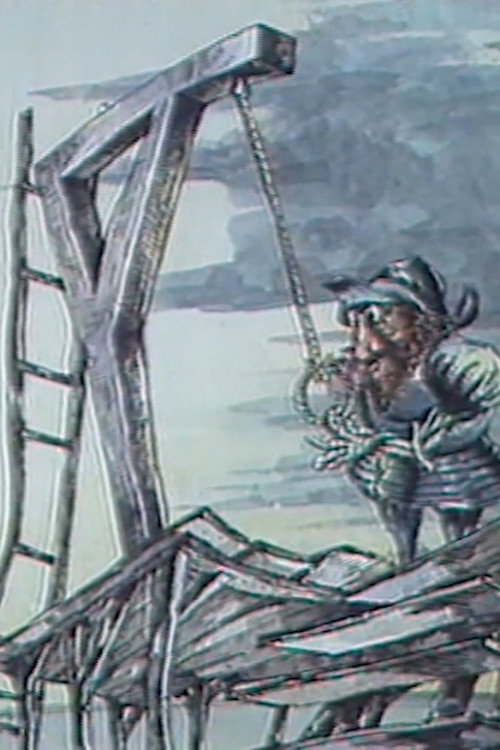
Progress 1984
Boiko Kanev's *Progress* (1984) is a stark animated short that critiques power structures through a haunting metaphor of cyclical oppression.
Director: Boiko Kanev
Frequently Asked Questions
What is Progress (1984) about?
*Progress* is a seven-minute animated short that delivers a biting critique of authoritarianism through a surreal narrative. The story follows a protagonist trapped in a system where each act of justice merely replaces one form of oppression with another, highlighting the futility of change under rigid structures.
Who directed Progress?
Progress was directed by Boiko Kanev, a filmmaker known for his experimental and socially conscious animated works.
Who stars in Progress?
Cast details for *Progress* are not publicly listed, as the film focuses more on symbolic storytelling than character-driven narratives.
Is Progress (1984) worth watching?
Given its concise runtime and bold themes, *Progress* is a compelling watch for fans of thought-provoking animation. While it may lack mainstream appeal, its allegorical depth and Kanev's direction make it a standout in experimental filmmaking circles.
How long is Progress?
*Progress* runs for 7 minutes.
Progress (1984): A Dark Animated Short About Power and Cycles — Full Movie Info
Boiko Kanev's *Progress* (1984) is a stark animated short that critiques power structures through a haunting metaphor of cyclical oppression. Set against a minimalist backdrop, the film explores themes of authority and inevitability, where a grim cycle of punishment replaces one injustice with another without resolution. Kanev's direction lends the seven-minute narrative a tense, almost allegorical atmosphere, inviting viewers to question the nature of progress itself. Though brief, the animation packs a punch, using symbolism to convey a heavier message about systemic control and the illusion of change.
A masterclass in brevity, *Progress (1984)* distills complex societal commentary into a visceral, thought-provoking experience. The film's minimalist style amplifies its themes, leaving audiences to ponder the true cost of advancement when it comes at someone else's expense.