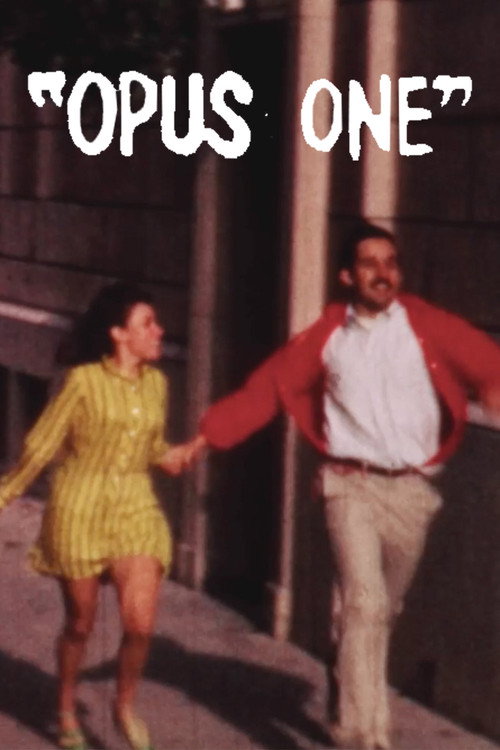
Opus One 1968
Dive into the playful, self-aware world of *Opus One (1968)*, a unique comedy that blurs the line between fiction and critique.
Director: Colin Higgins
Frequently Asked Questions
What is Opus One (1968) about?
*Opus One* follows a couple navigating the absurdities of Hollywood romance while their story is relentlessly critiqued by an unseen panel. The film contrasts a picture-perfect beach reunion with the grim reality of a couple seeking an abortion, all framed by a filmmaker's sarcastic responses to the unfolding drama.
Who directed Opus One?
Director information is not available.
Who stars in Opus One?
The cast details for *Opus One* are not listed, leaving the focus squarely on its experimental storytelling.
Is Opus One (1968) worth watching?
While *Opus One* is more of a curiosity than a mainstream comedy, its meta-narrative and social commentary make it a compelling watch for fans of avant-garde film. Its blend of humor and heavy themes offers something truly unique in 1960s cinema.
How long is Opus One?
Runtime details are not listed.
About Opus One (1968) — The Meta-Comedy That Challenges What We Watch
Dive into the playful, self-aware world of *Opus One (1968)*, a unique comedy that blurs the line between fiction and critique. Directed by Colin Higgins, this experimental short film from UCLA's student archives weaves a meta-narrative around Hollywood romance tropes, layering a running commentary of voices dissecting the action in real time. The story oscillates between the whimsical—two lovers reuniting on a sunlit beach—and the stark reality of a couple's desperate struggle to access safe abortion care. With its black-and-white visuals and sharp tonal shifts, *Opus One* challenges viewers to question the stories we're told and the voices that shape them, all while delivering dry humor that feels decades ahead of its time.
This isn't just a film about love or loss; it's a film about how these themes are framed, critiqued, and ultimately consumed by an audience. The playful soundtrack of dissenting critiques overlaid onto the footage turns the viewing experience into a conversation, making *Opus One* a fascinating time capsule of 1960s student filmmaking and a bold experiment in cinematic meta-narrative. Whether you're drawn to its humor, its historical significance, or its unflinching look at social issues, this short film lingers long after the final frame.