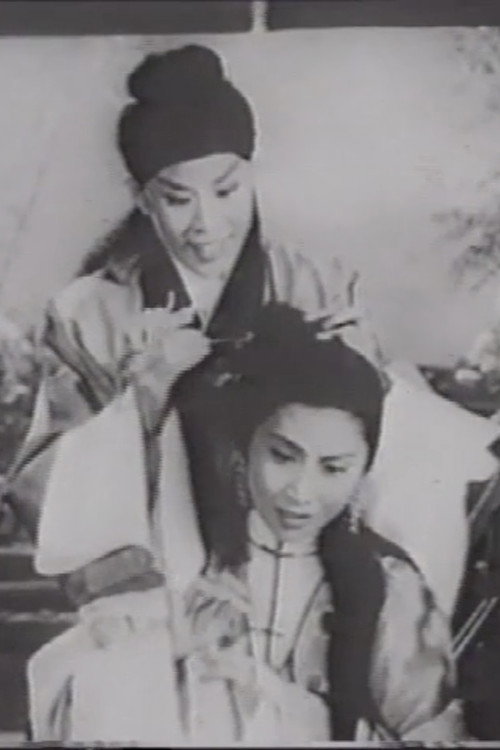
Suet-Sin's Sisters 1999
Suet-Sin's Sisters (1999) is a poignant 8-minute documentary that delves into the often-overlooked struggles of Chinese women in same-sex relationships.
Director: Yau Ching
Frequently Asked Questions
What is Suet-Sin's Sisters (1999) about?
This documentary examines the challenges faced by Chinese women in same-sex relationships, using candid interviews and archival footage of a groundbreaking Cantonese opera singer known for her unconventional gender expression. It's a brief but impactful exploration of resilience and cultural memory.
Who directed Suet-Sin's Sisters?
Yau Ching directed this thought-provoking short film. Her work is known for blending personal narratives with historical context, particularly in queer Asian cinema.
Who stars in Suet-Sin's Sisters?
Cast information for Suet-Sin's Sisters (1999) is not publicly listed.
Is Suet-Sin's Sisters (1999) worth watching?
While the runtime is brief at just 8 minutes, the documentary offers a rare and valuable perspective on queer identity in Chinese culture. Its blend of archival artistry and modern interviews makes it a compelling watch for fans of intimate, socially conscious filmmaking. Since it's unrated, its impact may resonate differently depending on the viewer, but its themes are universally relevant.
How long is Suet-Sin's Sisters?
The runtime of Suet-Sin's Sisters (1999) is 8 minutes.
About Suet-Sin's Sisters (1999) — A Short Film on Love, Identity, and Cantonese Opera Legacy
Suet-Sin's Sisters (1999) is a poignant 8-minute documentary that delves into the often-overlooked struggles of Chinese women in same-sex relationships. Directed by Yau Ching, the film weaves intimate interviews with evocative archival footage of a legendary Cantonese opera singer whose bold, masculine persona challenged societal norms. The contrast between modern testimonies and classic performance art creates a striking visual narrative that explores identity, love, and defiance.
This concise yet powerful short film doesn't just spotlight personal stories—it reflects broader themes of cultural repression and the evolution of queer representation in Asian cinema. The documentary's atmosphere is raw and reflective, blending nostalgia with contemporary urgency as it examines how far—or how little—progress has been made in visibility and acceptance. A brief but unforgettable dive into history and humanity.