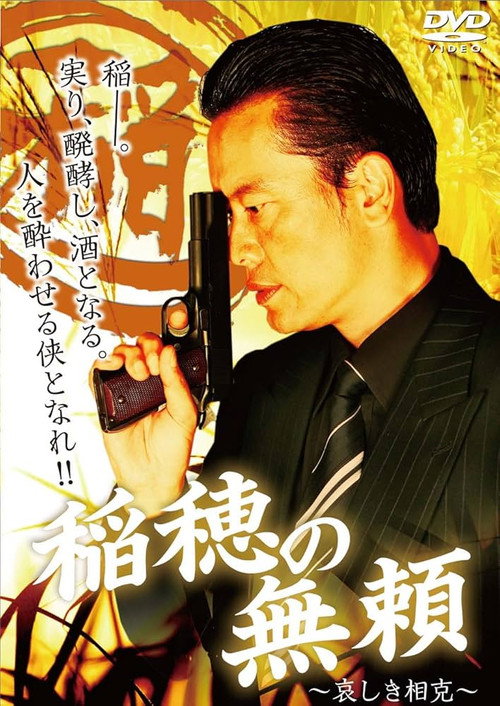
稲穂の無頼 ~哀しき相克~ 2009
Dive into the gritty world of *稲穂の無頼 ~哀しき相克~* (2009), Katsuji Kanazawa's atmospheric drama that weaves a tale of conflict and sorrow in rural Japan.
Director: Katsuji Kanazawa
Cast







Frequently Asked Questions
What is 稲穂の無頼 ~哀しき相克~ (2009) about?
This 2009 Japanese drama delves into the lives of characters grappling with personal and societal clashes in rural Japan. The story unfolds against a backdrop of tradition and modernity, weaving themes of honor, betrayal, and resilience.
Who directed 稲穂の無頼 ~哀しき相克~?
The film was helmed by Katsuji Kanazawa, a director known for his ability to craft emotionally charged narratives.
Who stars in 稲穂の無頼 ~哀しき相克~?
The cast features standout performances from Kenichi Endo, Gō Ibuki, Ryu Kano, Wataru Shihôdô, and Masaru Matsuda.
Is 稲穂の無頼 ~哀しき相克~ (2009) worth watching?
While it lacks a rated IMDb score, the film's atmospheric direction, strong cast, and exploration of universal themes make it a worthwhile watch for fans of dramatic, character-driven stories. Its somber tone and rural setting add depth, though it may not appeal to all audiences.
How long is 稲穂の無頼 ~哀しき相克~?
Runtime details are not listed.
About 稲穂の無頼 ~哀しき相克~ (2009) — A gritty drama of conflict and tradition
Dive into the gritty world of *稲穂の無頼 ~哀しき相克~* (2009), Katsuji Kanazawa's atmospheric drama that weaves a tale of conflict and sorrow in rural Japan. This film follows a group of characters entangled in a web of personal and societal struggles, where the weight of tradition clashes with modern dilemmas. With a somber tone and raw performances, *稲穂の無頼 ~哀しき相克~* captures the essence of human frailty and resilience against the backdrop of unforgiving landscapes. Kenichi Endo and Gō Ibuki lead the ensemble cast, delivering performances that linger long after the credits roll, making it a compelling watch for fans of dramatic storytelling.
Set against the quiet yet imposing backdrop of Japanese countryside, the film explores themes of family, betrayal, and the inescapable ties that bind us. The title itself hints at a narrative steeped in conflict—both internal and external—where honor and despair intertwine like the ripening rice stalks of the season. Kanazawa's direction balances tension and melancholy, creating an immersive experience that lingers in the mind.