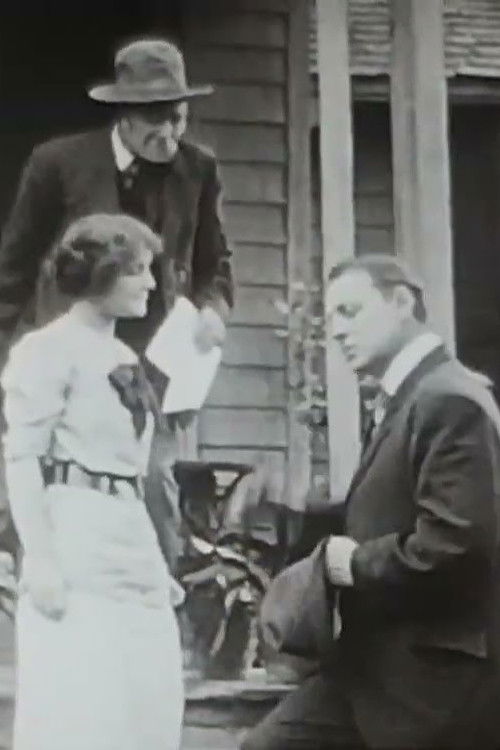
A Romance of the Rails 1912
In this 1912 silent short, *A Romance of the Rails* blends humor and drama against the backdrop of early 20th-century railroad culture. Directed by Harold M.
Director: Harold M. Shaw
Cast
Frequently Asked Questions
What is A Romance of the Rails (1912) about?
The film centers on William West, who lives rent-free in a railroad-owned home, ignoring demands for payment. When railroad worker George Lessey arrives to collect, he finds West unapologetic—but also meets his charming niece, Bessie Learn, turning a routine eviction into a lighthearted clash of personalities and unexpected chemistry.
Who directed A Romance of the Rails?
Harold M. Shaw directed this 1912 silent short, known for crafting early cinema with a mix of humor and social observation.
Who stars in A Romance of the Rails?
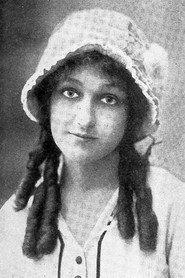
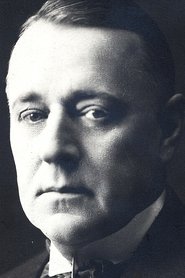
The film features Bessie Learn as the spirited niece, William West as the defiant tenant, and George Lessey as the determined railroad representative.
Is A Romance of the Rails (1912) worth watching?
Though unrated on IMDb and brisk at just 13 minutes, this silent short offers a delightful snapshot of early 20th-century life, blending comedy and subtle romance. Fans of vintage films or Shaw's work will likely find its charm irresistible, even if it's more of a historical curiosity than a modern classic.
How long is A Romance of the Rails?
A Romance of the Rails runs for 13 minutes.
About A Romance of the Rails (1912) — A Silent-Era Comedy-Drama of Rent, Romance, and Rebellion
In this 1912 silent short, *A Romance of the Rails* blends humor and drama against the backdrop of early 20th-century railroad culture. Directed by Harold M. Shaw, the story follows William West, a free-spirited tenant who dodges rent payments in a charmingly defiant way—until railroad representative George Lessey arrives with a stern demand for back rent. Surprise unfolds when Lessey discovers West isn't alone; his pretty niece, Bessie Learn, adds a dash of romance to the otherwise tense confrontation. Shaw's film captures a bygone era's wit and charm, where unconventional living clashes with duty, all within a brisk 13 minutes.
The atmosphere is light yet spirited, with subtle social commentary woven into a straightforward plot. While the genre remains unspecified, the film's focus on interpersonal dynamics and moral quirks gives it an enduring appeal for silent-era enthusiasts. Bessie Learn's presence elevates the narrative, offering a fleeting but memorable glimpse into early cinema's blend of comedy and human connection.