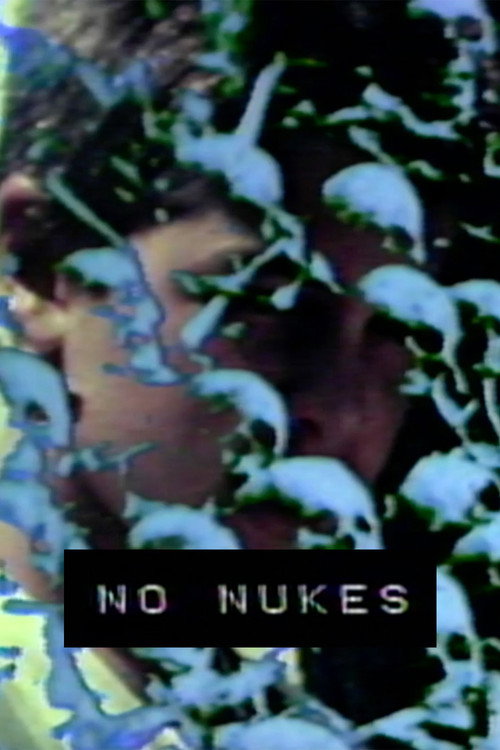
No Nukes 1983
Dive into the thought-provoking UCLA student film *No Nukes* (1983), directed by Orin Mitchell, where stark contrasts collide in a bold anti-nuclear statement.
Director: Orin Mitchell
Frequently Asked Questions
What is No Nukes (1983) about?
*No Nukes* is a striking short film that contrasts sobering footage of nuclear testing and energy plants with uplifting scenes of daily life, including breakdancing and childbirth. Orin Mitchell's direction frames these polarities to spark conversations about technology's role in society.
Who directed No Nukes?
Orin Mitchell directed *No Nukes* (1983), crafting a concise yet impactful visual essay.
Who stars in No Nukes?
Cast details for *No Nukes* (1983) are not publicly listed, as it's a UCLA student production.
Is No Nukes (1983) worth watching?
*No Nukes* may be brief, but its bold message and striking imagery make it a memorable watch for fans of activist cinema. As a preserved UCLA Archive film, it offers both historical and artistic value, though it's best approached with an open mind.
How long is No Nukes?
*No Nukes* (1983) runs exactly 5 minutes.
About No Nukes (1983) — UCLA's Shocking Anti-Nuclear Student Film Explained
Dive into the thought-provoking UCLA student film *No Nukes* (1983), directed by Orin Mitchell, where stark contrasts collide in a bold anti-nuclear statement. This five-minute color short masterfully interweaves archival footage of nuclear bomb tests and power plants with moments of life's beauty—breakdancing, a newborn's first cry, and everyday joy—challenging viewers to reflect on the duality of human creation and destruction. Mitchell's experimental approach merges activism with poignant visual storytelling, creating an atmospheric experience that lingers long after the credits roll.
At its heart, *No Nukes* (1983) isn't just a film; it's a visceral call to action wrapped in cinematic poetry. The juxtaposition of industrial devastation against the fragile wonder of life turns a simple runtime into a powerful meditation on peace and progress. With no explicit cast listed, the film's emotional weight rests on its imagery and Mitchell's bold direction, making it a standout in UCLA's archive of socially conscious filmmaking.