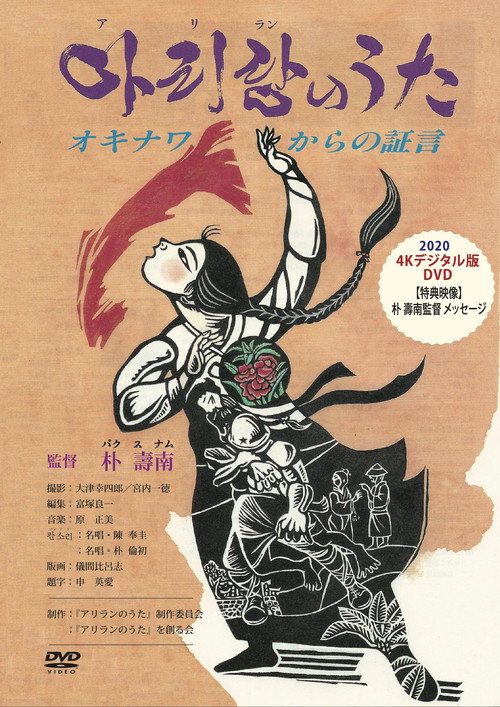
Song of Arirang - Voices from Okinawa 1991
Song of Arirang - Voices from Okinawa (1991), a haunting documentary directed by Park Soo-nam, delves into a lesser-known chapter of World War II history by uncovering the harrowing experiences of Korean survivors who were forcibly taken to Okinawa.
Director: Park Soo-nam
Frequently Asked Questions
What is Song of Arirang - Voices from Okinawa (1991) about?
This 1991 documentary by Park Soo-nam explores the forgotten stories of Korean survivors forcibly taken to Okinawa during WWII, including those conscripted as laborers and others subjected to wartime atrocities. Through firsthand testimonies, the film sheds light on their struggles and survival in the Battle of Okinawa.
Who directed Song of Arirang - Voices from Okinawa?
Song of Arirang - Voices from Okinawa was directed by Park Soo-nam, a filmmaker dedicated to uncovering historical truths through documentary.
Who stars in Song of Arirang - Voices from Okinawa?
Director information is not available.
Is Song of Arirang - Voices from Okinawa (1991) worth watching?
As a documentary focused on historical testimony and social justice, Song of Arirang - Voices from Okinawa offers a compelling but sobering viewing experience. Its importance lies in preserving the stories of survivors often overlooked by mainstream history, making it a must-see for those interested in wartime narratives and cultural memory.
How long is Song of Arirang - Voices from Okinawa?
The runtime of Song of Arirang - Voices from Okinawa is 100 minutes.
About Song of Arirang - Voices from Okinawa (1991) — A haunting documentary on Korean survivors of WWII
Song of Arirang - Voices from Okinawa (1991), a haunting documentary directed by Park Soo-nam, delves into a lesser-known chapter of World War II history by uncovering the harrowing experiences of Korean survivors who were forcibly taken to Okinawa. Through a blend of interviews and archival footage, the film captures the emotional weight of their testimonies, revealing the brutal realities faced by Korean "military laborers" and "comfort women" during the final days of the Pacific War. Atmospheric and deeply moving, the documentary contrasts the serene landscapes of Okinawa with the dark memories of its survivors, creating a poignant reflection on resilience and remembrance.
Park Soo-nam's meticulous approach transforms fragmented personal accounts into a cohesive narrative, ensuring that the voices of the forgotten are not lost to time. Shot in 1989 and 1990, the film bridges decades of silence to document a tragic chapter that remains overshadowed by broader wartime narratives. The result is a powerful cinematic experience that resonates with historical significance and emotional depth.