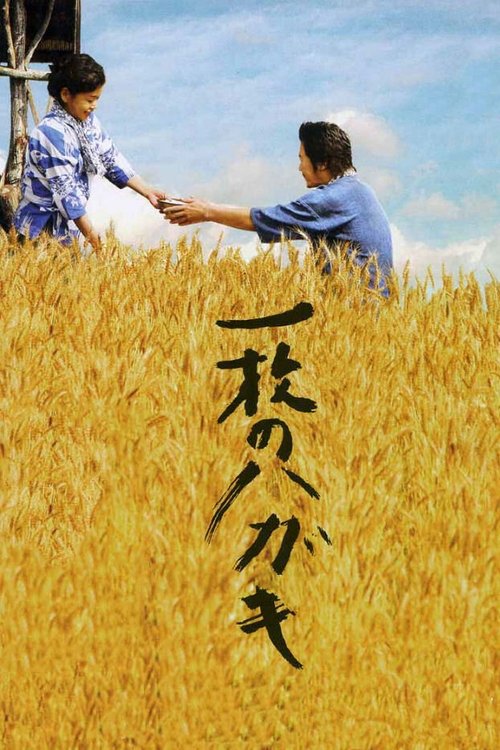
Postcard 2010
Directed by the legendary Kaneto Shindō, *Postcard (2010)* is a poignant war drama with deep emotional resonance. Set in the twilight of World War II, the film follows Keita, a hardened soldier tasked with delivering a final message from a dying comrade to his wife, Yuko.
Director: Kaneto Shindō
Cast
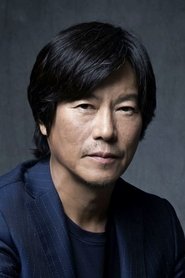
Etsushi Toyokawa
Keita Matsuyama

Naomasa Musaka
Sadazo Morikawa

Shinobu Otake
Tomoko Morikawa
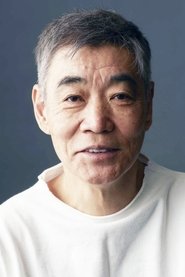
Akira Emoto
Yukichi Morikawa, the Father-in-Law

Mitsuko Baisho
Chiyo Morikawa, the Mother-in-Law
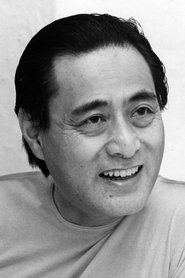
Masahiko Tsugawa
Riwemon, Matsuyama's Uncle

Ren Osugi
Kichigoro Izumiya
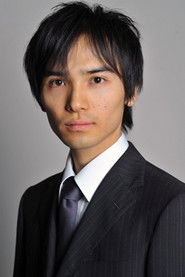
Yasuhito Ohchi

Maiko Kawakami

Moeko Ezawa
Frequently Asked Questions
What is Postcard (2010) about?
*Postcard (2010)* unfolds in the final days of WWII, following Keita, a soldier entrusted with delivering a postcard from a comrade who expects to die in battle. After the war ends, Keita visits the comrade's wife, Yuko, only to uncover the devastation and hardship she has faced alone. The film explores themes of sacrifice, grief, and the unspoken promises left in war's wake.
Who directed Postcard?
Kaneto Shindō, the acclaimed Japanese director known for his powerful and socially conscious films, is at the helm of *Postcard (2010)*.
Who stars in Postcard?
The cast features Etsushi Toyokawa as Keita, Shinobu Otake as Yuko, and notable supporting performances by Naomasa Musaka, Akira Emoto, and Mitsuko Baisho.
Is Postcard (2010) worth watching?
With its emotional depth and Shindō's signature storytelling, *Postcard (2010)* is a compelling watch for fans of war dramas and character-driven narratives. While unrated on IMDb, its themes and performances make it a moving experience, though it may not suit those seeking fast-paced action.
How long is Postcard?
Postcard runs for 114 minutes, offering a concise yet impactful exploration of its themes.
About Postcard (2010) — A moving wartime drama by Kaneto Shindō
Directed by the legendary Kaneto Shindō, *Postcard (2010)* is a poignant war drama with deep emotional resonance. Set in the twilight of World War II, the film follows Keita, a hardened soldier tasked with delivering a final message from a dying comrade to his wife, Yuko. As the war ends, Keita's journey takes a heartbreaking turn when he discovers the profound suffering Yuko has endured in his absence. Shindō masterfully weaves themes of loss, duty, and redemption into a story that lingers long after the credits roll. With a somber, reflective tone, the movie captures the quiet devastation of war's aftermath and the fragile bonds of love and memory that persist amid chaos.
Etsushi Toyokawa delivers a quietly powerful performance as Keita, while Shinobu Otake brings depth and sorrow to Yuko's role. The film's stark visuals and understated storytelling create an atmosphere of melancholy and reflection, making it a standout in Shindō's late-career filmography.