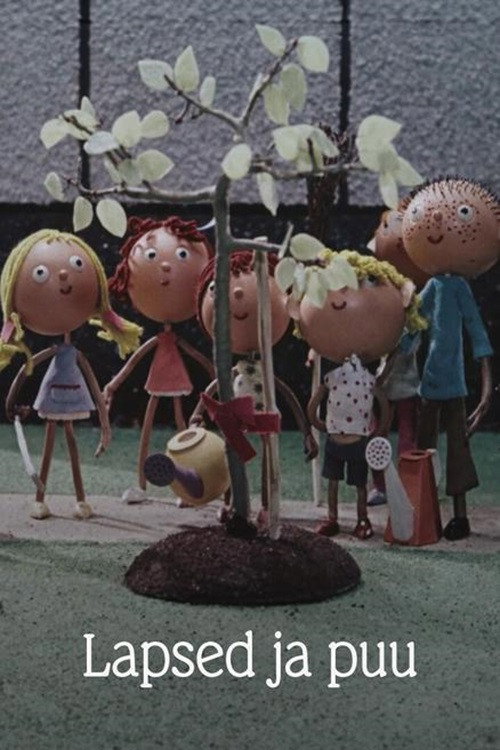
Children and Tree 1965
In the bustling heart of a Soviet-era apartment block, a group of spirited children discovers an unexpected adventure when they turn their attention to throwing knives.
Director: Elbert Tuganov
Frequently Asked Questions
What is Children and Tree (1965) about?
The film follows children in a Soviet apartment building who entertain themselves by throwing knives, only to face disruption when a larger boy destroys their toy. Their playful world shifts unexpectedly when a small tree sprouts nearby, symbolizing hope amid their fleeting joy.
Who directed Children and Tree?
Children and Tree was directed by Elbert Tuganov, a pioneering figure in Estonian animation known for his innovative storytelling and expressive visuals.
Who stars in Children and Tree?
The cast details for Children and Tree are not listed in available records.
Is Children and Tree (1965) worth watching?
As a concise, thematically rich animated short, Children and Tree offers a charming blend of childhood curiosity and subtle symbolism. While unrated, its brevity and thematic depth make it a worthwhile watch for fans of classic animation and short films.
How long is Children and Tree?
Children and Tree runs for 9 minutes.
About Children and Tree (1965) — A Concise Animation Classic with a Touch of Hope
In the bustling heart of a Soviet-era apartment block, a group of spirited children discovers an unexpected adventure when they turn their attention to throwing knives. Their playful antics hit an abrupt snag when a bully intervenes, shattering their improvised toy and leaving their joy in tatters. Yet, against all odds, a tiny sapling emerges from the concrete-dominated landscape, offering a glimmer of hope and renewal in this concise animated fable by Estonian director Elbert Tuganov.
Children and Tree (1965) blends playful mischief with poignant symbolism, capturing the innocence of childhood and the resilience of nature. Tuganov's nine-minute short film delicately balances humor and melancholy, wrapping its themes in the modest yet vivid visuals of 1960s animation. The contrast between the children's fleeting joy and the enduring growth of the tree creates a quietly powerful narrative that lingers long after the credits roll.