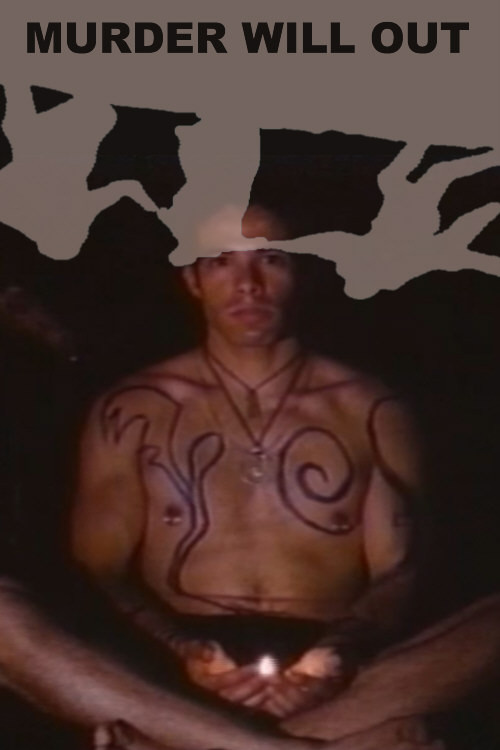
Murder Will Out: Measured Silence 2000
Zack Stiglicz's experimental short film *Murder Will Out: Measured Silence* (2000) unfolds as a haunting meditation on mortality, woven into fleeting images of bodies, faces, and fragmented memories.
Director: Zack Stiglicz
Frequently Asked Questions
What is *Murder Will Out: Measured Silence* (2000) about?
This experimental drama delves into themes of death, dreams, and history through fragmented imagery and poetic narration. The film uses abstract visuals to reflect on how the past lingers in the present, leaving viewers to interpret its cryptic messages.
Who directed *Murder Will Out: Measured Silence*?
Zack Stiglicz directed this enigmatic short film, crafting a minimalist yet thought-provoking visual experience.
Who stars in *Murder Will Out: Measured Silence*?
Cast details for this short film are not listed.
Is *Murder Will Out: Measured Silence* (2000) worth watching?
As an unrated experimental drama, it's best suited for viewers who appreciate avant-garde storytelling and poetic visuals. Its 22-minute runtime offers a dense, atmospheric experience that may appeal to fans of abstract cinema.
How long is *Murder Will Out: Measured Silence*?
The film runs for 22 minutes.
About Murder Will Out: Measured Silence (2000) — A haunting drama of death and memory in abstract visuals
Zack Stiglicz's experimental short film *Murder Will Out: Measured Silence* (2000) unfolds as a haunting meditation on mortality, woven into fleeting images of bodies, faces, and fragmented memories. Through poetic voiceover and abstract visuals, the 22-minute drama explores the intersections of death, dreams, and history, leaving viewers to ponder the echoes of the past in the present. The film's dreamlike atmosphere, punctuated by stark juxtapositions, invites reflection on how silence can both conceal and reveal truths.
A cryptic yet evocative work, *Murder Will Out: Measured Silence* blends drama with avant-garde techniques, creating an unsettling yet mesmerizing experience. Stiglicz's direction leans into ambiguity, using minimalism to amplify the weight of each fleeting moment. The result is a compact yet profound exploration of human fragility, where every frame feels like a clue in an unsolved puzzle.