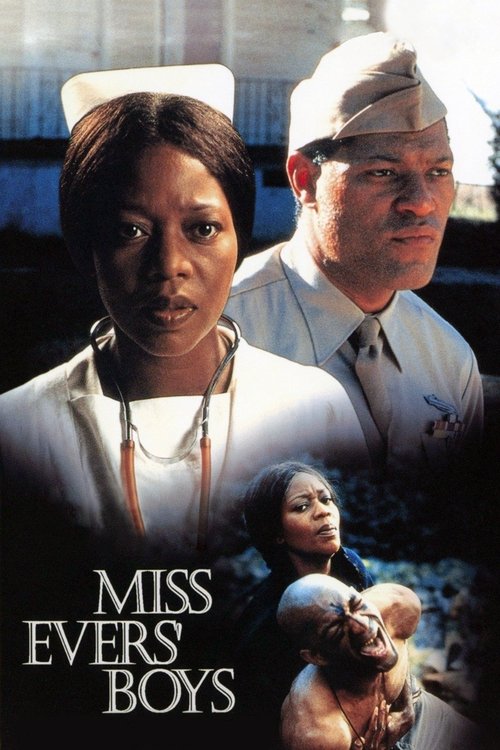
Miss Evers' Boys 1997
"A Government Lie. A Woman's Secret. A Story That Must Be Told."
Set against the grim backdrop of 1930s America, *Miss Evers' Boys (1997)* dives into one of the darkest chapters of medical history.
Director: Joseph Sargent
Cast







Frequently Asked Questions
What is *Miss Evers' Boys (1997)* about?
This powerful drama recounts the true story of the U.S. Public Health Service's Tuskegee Syphilis Study, where Black men were left untreated for decades despite a known cure. The film centers on Nurse Eunice Evers, who grapples with her role in a study that prioritized science over humanity.
Who directed *Miss Evers' Boys*?
The film was directed by Joseph Sargent, known for his work in both film and television, including critically acclaimed dramas like *The Taking of Pelham One Two Three*.
Who stars in *Miss Evers' Boys*?
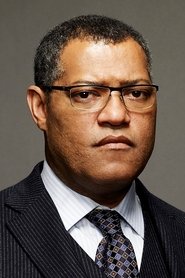
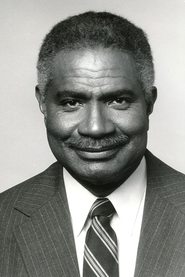
The cast features Alfre Woodard as Nurse Eunice Evers, Laurence Fishburne as a test subject, Craig Sheffer as the lead researcher, Joe Morton, and Obba Babatundé.
Is *Miss Evers' Boys (1997)* worth watching?
Absolutely—this historical drama is both emotionally gripping and thought-provoking, earning praise for its performances and unflinching portrayal of injustice. Fans of socially conscious films will find it a must-watch, despite its heavy subject matter.
How long is *Miss Evers' Boys*?
The film runs for 118 minutes, or just under two hours.
🎥 Trailer
Miss Evers' Boys (1997): A Gripping Drama of Betrayal and Medical Ethics
Set against the grim backdrop of 1930s America, *Miss Evers' Boys (1997)* dives into one of the darkest chapters of medical history. Directed by Joseph Sargent, this powerful drama follows Nurse Eunice Evers (Alfre Woodard) who becomes entangled in a government-sanctioned study that deliberately withholds treatment from Black men suffering from syphilis. The film masterfully blends historical realism with emotional depth, exposing the moral failures of an institution meant to protect. Laurence Fishburne delivers a haunting performance as one of the affected men, while Craig Sheffer portrays the conflicted researcher overseeing the unethical experiment. The story unfolds like a slow-burning tragedy, where trust is betrayed and lives are sacrificed for so-called progress.
The atmosphere is heavy with moral conflict, as Nurse Evers navigates the impossible choice between obedience to authority and loyalty to her community. Based on real events, the film forces audiences to confront the legacy of racism in medical ethics and the lingering scars of institutional betrayal. With its gripping narrative and stellar cast, *Miss Evers' Boys (1997)* is more than a historical account—it's a timeless reminder of the cost of silence in the face of injustice.