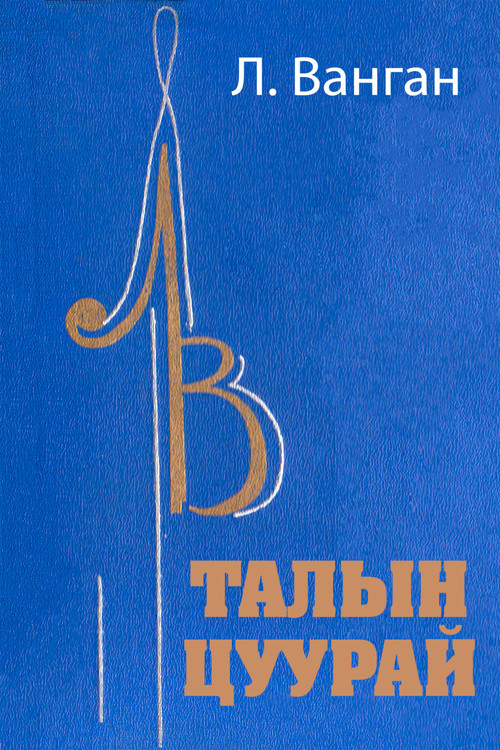
Echo of the Steppe 1970
Echo of the Steppe (1970), a gripping Mongolian drama directed by Tserendorj Tsedendamba, plunges viewers into the turbulent early 20th century when revolutionary fervor reshaped nations.
Director: Tserendorj Tsedendamba
Cast

Frequently Asked Questions
What is Echo of the Steppe (1970) about?
The film dramatizes the efforts of a group of young revolutionaries in early 20th-century Mongolia who fight to protect their people from being displaced by anti-revolutionary forces. It blends historical urgency with the personal stakes of survival and loyalty.
Who directed Echo of the Steppe?
Echo of the Steppe was directed by Tserendorj Tsedendamba, a filmmaker known for bringing historical narratives to life with emotional depth.
Who stars in Echo of the Steppe?
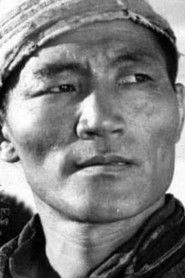
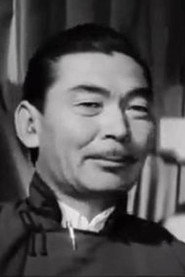
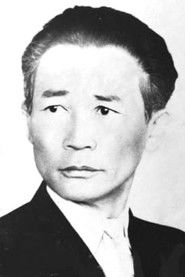
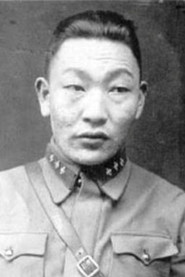
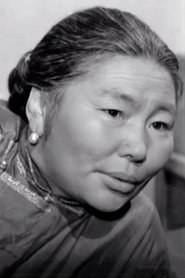
The cast includes Zanabazar Jambal, Dagiiranz Nyam, Luvsan Luvsanbaldan, Gotov Tsevelmaa, and Genden Sangijav, among others.
Is Echo of the Steppe (1970) worth watching?
As a concise historical drama, Echo of the Steppe offers a compelling snapshot of revolutionary ideals and personal sacrifice. While it may lack mainstream polish, its themes and setting make it a unique watch for fans of period films.
How long is Echo of the Steppe?
Echo of the Steppe runs for 67 minutes.
About Echo of the Steppe (1970) — A Mongolian Drama of Revolution and Resilience
Echo of the Steppe (1970), a gripping Mongolian drama directed by Tserendorj Tsedendamba, plunges viewers into the turbulent early 20th century when revolutionary fervor reshaped nations. The film follows a courageous group of youth who resist counter-revolutionary forces determined to drive people from their homeland, blending historical weight with raw emotional stakes. With a runtime of just 67 minutes, the movie balances intimate character moments against sweeping themes of loyalty, sacrifice, and national identity, all set against the vast and unforgiving landscapes of the steppes. Its black-and-white visuals and earnest performances capture both the idealism of the era and the harsh realities of survival.
At its core, Echo of the Steppe (1970) is a testament to the power of conviction when faced with oppression. Tsedendamba's direction emphasizes the moral dilemmas of young revolutionaries as they confront betrayal and displacement, creating a tense yet poignant atmosphere. The story resonates with anyone drawn to underdog narratives steeped in real-world stakes, offering a glimpse into a pivotal chapter of Mongolian history through the lens of personal courage and collective struggle.