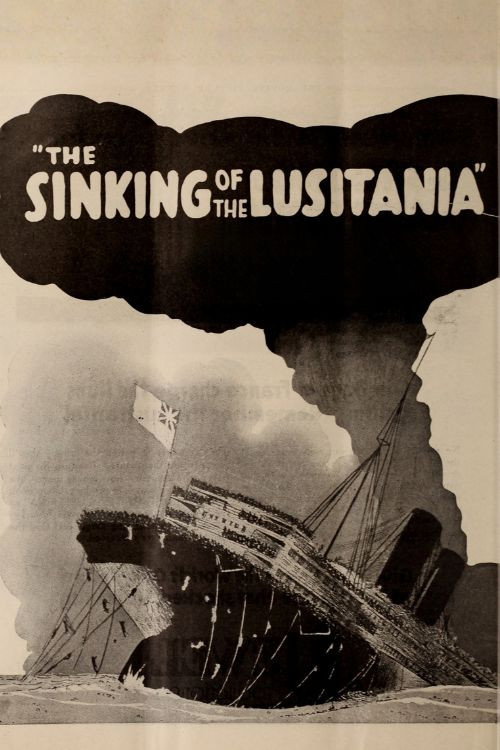
The Sinking of the Lusitania 1918
Pioneering animator Winsor McCay's *The Sinking of the Lusitania* (1918) is a stark, 12-minute silent film that reenacts the 1915 torpedoing of the British ocean liner by a German U-boat during World War I.
Director: Winsor McCay
Cast

Frequently Asked Questions
What is The Sinking of the Lusitania (1918) about?
This 12-minute silent film dramatizes the 1915 sinking of the RMS Lusitania by a German U-boat, highlighting the civilian casualties and geopolitical tensions of World War I. Using early animation techniques, McCay recreates the disaster with haunting realism, blending historical record with emotive storytelling.
Who directed The Sinking of the Lusitania?
The film was directed by Winsor McCay, a pioneering animator and cartoonist known for his innovative work in early animation.
Who stars in The Sinking of the Lusitania?
While primarily a solo directorial effort, the film stars Winsor McCay himself, who also created the animation and narrated the silent narrative.
Is The Sinking of the Lusitania (1918) worth watching?
As a historical and technical landmark, *The Sinking of the Lusitania* offers a gripping glimpse into early animation and wartime propaganda. Its 12-minute runtime and dramatic power make it a curiosity worth exploring for film buffs and animation historians, despite its propagandistic intent.
How long is The Sinking of the Lusitania?
The film runs for 12 minutes.
🎥 Trailer
About The Sinking of the Lusitania (1918) — A 1918 Animation Masterpiece on Wartime Tragedy
Pioneering animator Winsor McCay's *The Sinking of the Lusitania* (1918) is a stark, 12-minute silent film that reenacts the 1915 torpedoing of the British ocean liner by a German U-boat during World War I. Crafted as a propaganda piece, the film uses dramatic animation to stir anti-German sentiment, blending historical urgency with McCay's groundbreaking hand-drawn techniques. With its somber palette and relentless pacing, the movie captures the tragedy of civilian loss amid wartime chaos, grounding its emotional impact in meticulous detail.
As one of the earliest animated war documentaries, the film remains a fascinating artifact of early 20th-century cinema, showcasing McCay's innovative approach to visual storytelling. Though rooted in propaganda, its technical craftsmanship and historical weight give it enduring relevance for film historians and animation enthusiasts alike.