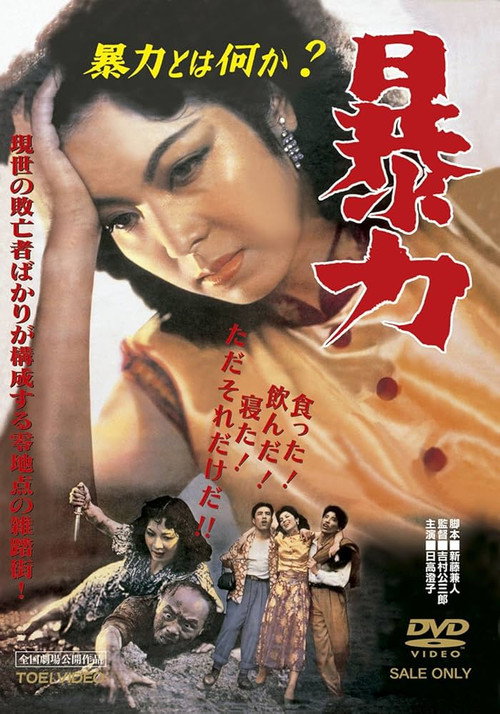
Violence 1952
Step into the raw, emotionally charged world of 1952 with *Violence*, a compelling drama directed by the visionary Kōzaburō Yoshimura.
Director: Kōzaburō Yoshimura
Cast




Frequently Asked Questions
What is Violence (1952) about?
This drama unfolds in the aftermath of conflict, following characters navigating a fractured society where violence lingers in unseen forms. Their journey reveals the quiet battles fought behind closed doors and the strength it takes to rebuild.
Who directed Violence?
Violence was directed by Kōzaburō Yoshimura, a filmmaker known for his insightful and emotionally resonant storytelling during Japan's post-war era.
Who stars in Violence?
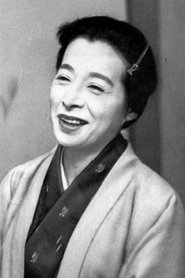
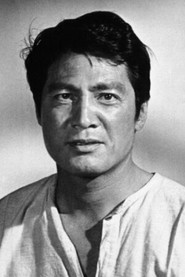
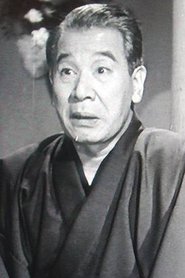
The film features a compelling cast led by Sumiko Hidaka, Nobuo Kaneko, Isao Kimura, Tsukie Matsuura, and Chieko Naniwa, each bringing depth to their roles.
Is Violence (1952) worth watching?
While it lacks an IMDb rating, *Violence* stands out as a poignant drama that delves into universal themes of resilience and societal change. Fans of thoughtful, character-driven films will find its atmosphere and performances rewarding.
How long is Violence?
The runtime of *Violence* is 87 minutes.
Violence (1952) — A Post-War Drama of Struggle and Resilience
Step into the raw, emotionally charged world of 1952 with *Violence*, a compelling drama directed by the visionary Kōzaburō Yoshimura. Set against the backdrop of post-war Japan, this 87-minute film weaves a tale of human struggle and societal tension, where the echoes of conflict reverberate through the lives of its characters. With a sensitive portrayal of its protagonists, *Violence* explores the deep-seated fractures in a community grappling with change, revealing the quiet resilience and hidden vulnerabilities of those caught in its grip.
Yoshimura's masterful direction, paired with standout performances from Sumiko Hidaka and Nobuo Kaneko, creates an atmosphere of quiet desperation and subtle hope. The film's stark realism and emotional depth make it a poignant reflection on the cost of progress and the enduring power of human connection. Whether you're drawn to its historical context or its timeless themes, *Violence (1952)* offers a viewing experience that lingers long after the final scene.