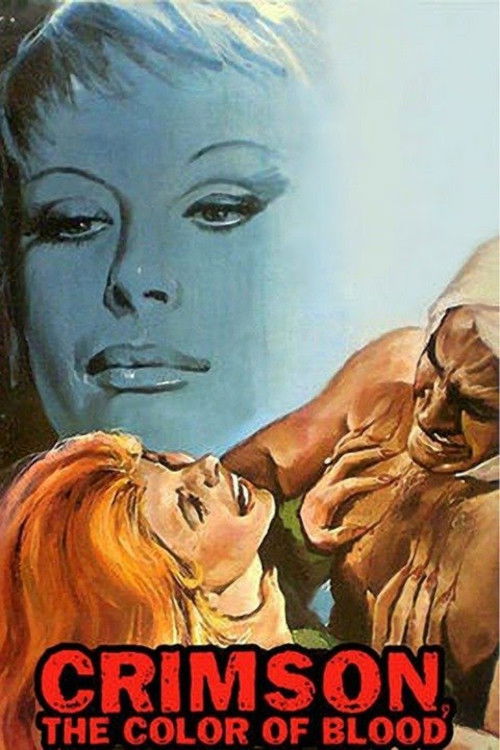
Crimson, the Color of Blood 1973
Dive into the chilling world of *Crimson, the Color of Blood (1973)*, a gripping 1970s fusion of psychological horror and drama directed by Juan Fortuny.
Director: Juan Fortuny
Cast






Frequently Asked Questions
What is Crimson, the Color of Blood (1973) about?
*Crimson, the Color of Blood* follows a desperate surgeon who performs a head transplant on a violent criminal, only to create something far more dangerous than before. The experiment spirals into a tale of horror, vengeance, and the unpredictability of human nature, all wrapped in a tense, atmospheric narrative.
Who directed Crimson, the Color of Blood?
The film was directed by Juan Fortuny, a filmmaker known for his contributions to Spanish horror and cult cinema during the 1970s.
Who stars in Crimson, the Color of Blood?
The film features Paul Naschy in a standout role, alongside Silvia Solar, Olivier Mathot, and Evelyne Scott in pivotal performances that anchor its dark narrative.
Is Crimson, the Color of Blood (1973) worth watching?
As a razor-sharp blend of horror and drama, *Crimson, the Color of Blood* delivers cult-classic energy despite its low IMDb rating. Its themes of scientific hubris and moral decay resonate with vintage horror fans, making it a rewarding watch for those seeking atmospheric, thought-provoking terror.
How long is Crimson, the Color of Blood?
The film has a runtime of 87 minutes.
About Crimson, the Color of Blood (1973) — The 70s Horror Classic of Science and Terror
Dive into the chilling world of *Crimson, the Color of Blood (1973)*, a gripping 1970s fusion of psychological horror and drama directed by Juan Fortuny. This Spanish cult classic unfolds around a deranged surgeon's grotesque experiment—a head transplant on a violent criminal—that unleashes an even more terrifying and murderous force. With a runtime of just 87 minutes, the film thrives on eerie atmosphere, unsettling themes of identity and science gone awry, and a cast led by the iconic Paul Naschy at his most sinister.
Set against a backdrop of moody 70s horror aesthetics, the movie explores the darker corridors of medical ethics and human nature. As the transplanted criminal returns with a vengeance, the line between man and monster blurs, delivering a visceral experience that lingers long after the credits roll. A must-see for fans of vintage horror, *Crimson, the Color of Blood* remains a haunting testament to the era's obsession with transgressive cinema.