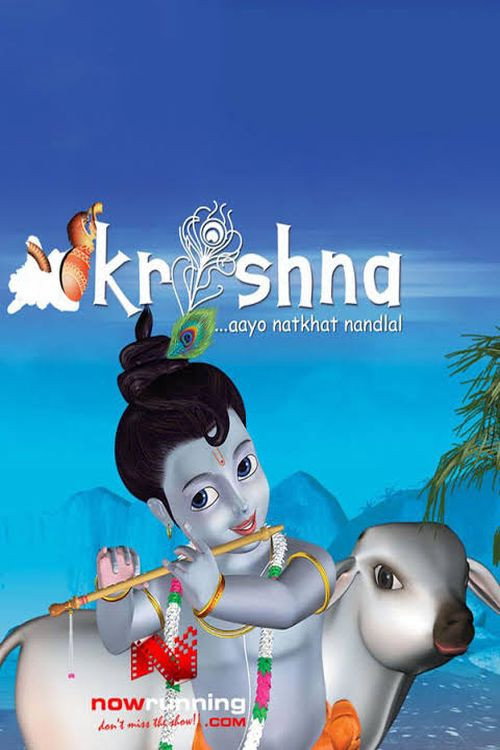
Krishna Aayo Natkhat Nandlal 2006
Krishna Aayo Natkhat Nandlal (2006) brings the enchanting tales of Lord Krishna's early years to life through vibrant animation.
Frequently Asked Questions
What is Krishna Aayo Natkhat Nandlal (2006) about?
The film tells the story of Lord Krishna's birth in Gokul and his joyful childhood in Vrindavan, culminating in his heroic defeat of the evil King Kansa, his maternal uncle who ruled Mathura with tyranny.
Who directed Krishna Aayo Natkhat Nandlal?
Director information is not available.
Who stars in Krishna Aayo Natkhat Nandlal?
The main cast details for this animated film have not been provided in available records.
Is Krishna Aayo Natkhat Nandlal (2006) worth watching?
As an animated retelling of Krishna's childhood legends, this film offers cultural and mythological value for audiences interested in Indian folklore, though its appeal will largely depend on individual preferences for the animation genre and mythological storytelling.
How long is Krishna Aayo Natkhat Nandlal?
The runtime is 95 minutes.
About Krishna Aayo Natkhat Nandlal (2006) — Animated Mythological Adventure
Krishna Aayo Natkhat Nandlal (2006) brings the enchanting tales of Lord Krishna's early years to life through vibrant animation. This 95-minute feature follows the divine child as he arrives in Gokul and grows up in the idyllic surroundings of Vrindavan, capturing the playful spirit and miraculous deeds that define his legendary childhood. The film beautifully portrays Krishna's journey from a mischievous butter-loving infant to the courageous young hero who ultimately confronts and defeats the tyrannical King Kansa of Mathura.
Set against the backdrop of ancient Indian mythology, this animated adaptation highlights themes of good triumphing over evil, divine justice, and the eternal battle between righteousness and tyranny. The story weaves together Krishna's loving relationship with his foster parents, his magical exploits with Radha and the gopis, and the climactic confrontation with his maternal uncle Kansa, who represents oppression and fear. The animation style brings traditional folklore to contemporary audiences, making it accessible for families and children interested in Hindu mythology.