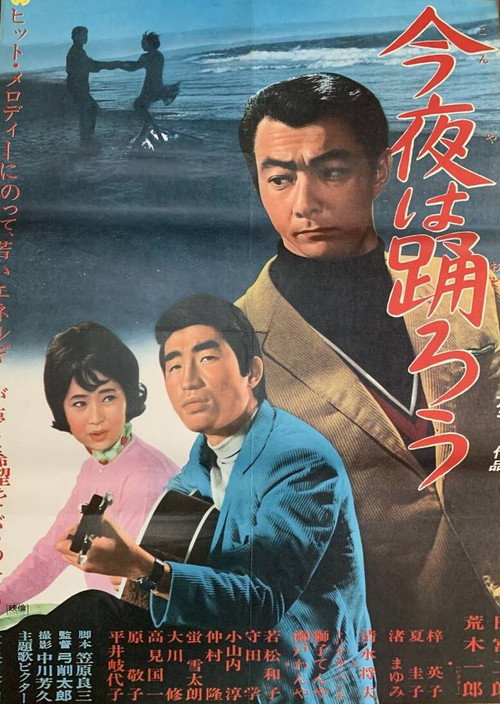
Let's Dance Tonight 1967
Directed by Tarō Yuge, *Let's Dance Tonight (1967)* plunges into the shadowy underbelly of Tokyo's nightlife, where the glitter of the dance halls masks a darker world of exploitation and moral decay.
Director: Tarō Yuge
Cast







Frequently Asked Questions
What is Let's Dance Tonight (1967) about?
This 1967 thriller-drama, directed by Tarō Yuge, dives into the clandestine world of Tokyo's sex industry, following characters caught in a web of exploitation and moral dilemmas. The story unfolds against a backdrop of smoky jazz clubs and neon-lit streets, where every move feels like a gamble for survival.
Who directed Let's Dance Tonight?
Let's Dance Tonight (1967) was directed by Tarō Yuge, a filmmaker known for his atmospheric and socially conscious storytelling.
Who stars in Let's Dance Tonight?
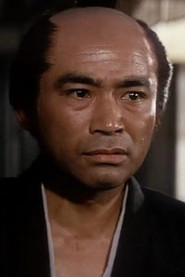
The film features a talented cast including Jirō Tamiya, Ichiro Araki, Eiko Azusa, Masao Shimizu, and Mayumi Nagisa, each bringing depth to their roles in this tense narrative.
Is Let's Dance Tonight (1967) worth watching?
While *Let's Dance Tonight* isn't for everyone due to its heavy themes, its unflinching portrayal of a bygone era's moral decay makes it a fascinating watch for fans of classic Japanese thrillers. The 80-minute runtime keeps the story tight and engaging, though it lacks the polish of later productions.
How long is Let's Dance Tonight?
Let's Dance Tonight (1967) runs for 80 minutes, a concise runtime that packs a punch with its intense storytelling.
About Let's Dance Tonight (1967) — A Gritty Exploration of Tokyo's Dark Underbelly
Directed by Tarō Yuge, *Let's Dance Tonight (1967)* plunges into the shadowy underbelly of Tokyo's nightlife, where the glitter of the dance halls masks a darker world of exploitation and moral decay. This gritty thriller-drama exposes the harsh realities of the sex industry through the eyes of its characters, blending tension with a melancholic atmosphere that lingers long after the final frame.
Starring Jirō Tamiya, Ichiro Araki, and Eiko Azusa, the film weaves a story of personal struggle and societal collapse, set against the backdrop of neon-lit streets and smoky jazz clubs. Yuge's direction crafts a haunting portrait of desperation, where every dance step feels like a step closer to ruin. The movie's raw intensity and unflinching portrayal of its themes make it a compelling, if unsettling, watch for fans of classic Japanese drama and social thrillers.