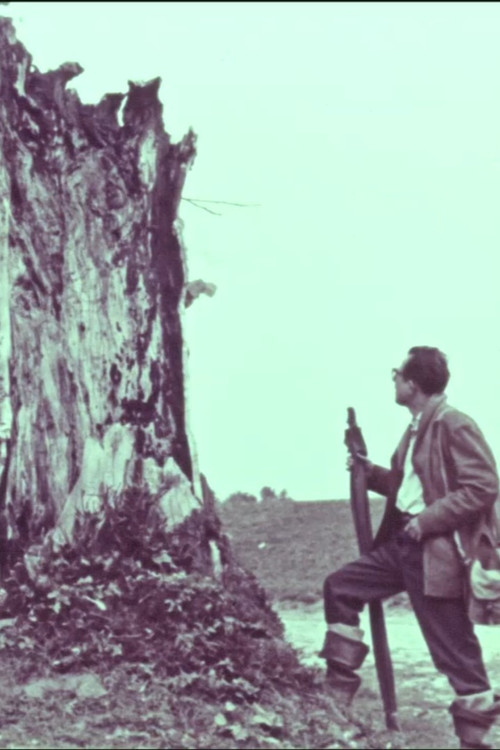
Painters of the Baltic Coast 1964
Step into a quiet corner of 1960s art history with *Painters of the Baltic Coast (1964)*, Marian Ussorowski's intimate documentary that captures the fading echoes of the Sopot School.
Director: Marian Ussorowski
Frequently Asked Questions
What is Painters of the Baltic Coast (1964) about?
This 20-minute documentary explores the remnants of the Sopot School, a once-vibrant group of painters who drew inspiration from the Baltic Coast. Marian Ussorowski's film captures their individual styles, shared themes, and how the coastal city shaped their vision.
Who directed Painters of the Baltic Coast?
The film was directed by Marian Ussorowski, a filmmaker who brings a quiet, observational lens to the fading legacy of the Sopot School.
Who stars in Painters of the Baltic Coast?
Director and interviewer Marian Ussorowski appears prominently, with on-screen contributions from the artists of the Sopot School—though their names are not listed in available sources.
Is Painters of the Baltic Coast (1964) worth watching?
As a rare glimpse into a lesser-known artistic movement, *Painters of the Baltic Coast* offers a thoughtful 20-minute escape for art and history lovers. Its short runtime and meditative tone make it ideal for those seeking quiet, reflective cinema rather than high-energy storytelling.
How long is Painters of the Baltic Coast?
The film runs approximately 20 minutes in total.
About Painters of the Baltic Coast (1964) — A coastal canvas of artistic memory
Step into a quiet corner of 1960s art history with *Painters of the Baltic Coast (1964)*, Marian Ussorowski's intimate documentary that captures the fading echoes of the Sopot School. Shot along the windswept shores of the Baltic, the 20-minute film peers into the studios and minds of artists clinging to a movement once defined by its love of coastal light and maritime mood. Through understated interviews and contemplative visuals, Ussorowski reveals how each painter—whether through muted seascapes or bold strokes—still draws inspiration from the same restless horizon that once united them. The result is a meditative snapshot of legacy, place, and the quiet persistence of creativity against the tide of time.
This short yet evocative documentary offers more than just archival curiosity; it serves as a time capsule of artistic temperament, where the Baltic's salty air and shifting skies become silent collaborators in every composition. By focusing on the remnants of the Sopot School, Ussorowski crafts a poetic meditation on artistic identity, environment, and the delicate balance between individual expression and shared inspiration.