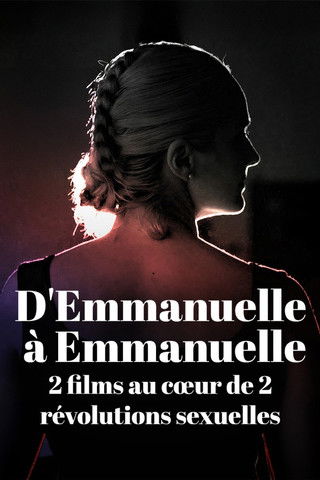
D'Emmanuelle à Emmanuelle 2024
Fifty years after the groundbreaking *Emmanuelle* (1974) redefined French cinema and sparked global conversations about sexual liberation, Julie Delettre's 2024 documentary *D'Emmanuelle à Emmanuelle* revisits Sylvia Kristel's iconic role through a contemporary feminist lens.
Director: Julie Delettre
Cast
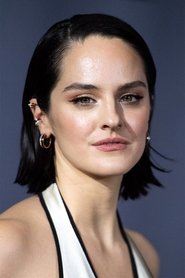
Noémie Merlant
Self - actress

Audrey Diwan
Self - director
Florence Montreynaud
Self - historian
Malka Marcovich
Self - historian
Guillemette Odicino
Self - film critic
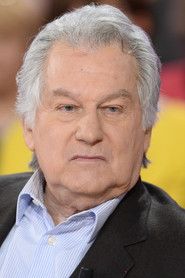
Yves Rousset-Rouard
Self - producer

Just Jaeckin
Self - director

Sylvia Kristel
Self - actress (archive footage)

Philippe Bouvard
Self - TV host (archive footage)

Marika Green
Self - actress
Frequently Asked Questions
What is D'Emmanuelle à Emmanuelle (2024) about?
This documentary revisits the cultural impact of the 1974 film *Emmanuelle*, exploring how its portrayal of female sexuality challenged norms. Through a modern lens, it follows a new iteration of the character as she seeks to reclaim pleasure and identity, fifty years later.
Who directed D'Emmanuelle à Emmanuelle?
The film is directed by Julie Delettre, whose work focuses on feminist perspectives and cinematic history.
Who stars in D'Emmanuelle à Emmanuelle?
The documentary features Noémie Merlant, Audrey Diwan, Florence Montreynaud, Malka Marcovich, and Guillemette Odicino in key roles.
Is D'Emmanuelle à Emmanuelle (2024) worth watching?
For fans of feminist cinema and cultural retrospectives, *D'Emmanuelle à Emmanuelle* offers a fresh, thoughtful take on a landmark film. While not a mainstream drama, its blend of history and modern themes makes it a compelling watch for those interested in the evolution of female representation in cinema.
How long is D'Emmanuelle à Emmanuelle?
Runtime details are not listed.
About D'Emmanuelle à Emmanuelle (2024) — A 2024 documentary re-examining Emmanuelle's legendary legacy
Fifty years after the groundbreaking *Emmanuelle* (1974) redefined French cinema and sparked global conversations about sexual liberation, Julie Delettre's 2024 documentary *D'Emmanuelle à Emmanuelle* revisits Sylvia Kristel's iconic role through a contemporary feminist lens. This compelling TV movie, written by Audrey Diwan, invites Noémie Merlant to trace the evolution of female desire, reimagining the character's journey as a quest for pleasure unshackled by taboo. Blending archival footage with intimate reflections, Delettre crafts a visually rich exploration of legacy, identity, and the enduring power of cinema to challenge norms.
Set against the backdrop of 1970s Paris and the modern feminist wave, the film captures a spirit of defiance and reinvention. Merlant's portrayal, framed by Diwan's sharp narrative, transforms the original Emmanuelle from a symbol of liberation into a living, evolving figure—one who confronts both past and present myths of female sexuality. With a discerning eye for detail and a reverence for cinematic history, *D'Emmanuelle à Emmanuelle* offers more than nostalgia; it's a thoughtful meditation on how far we've come and how much remains to be explored.