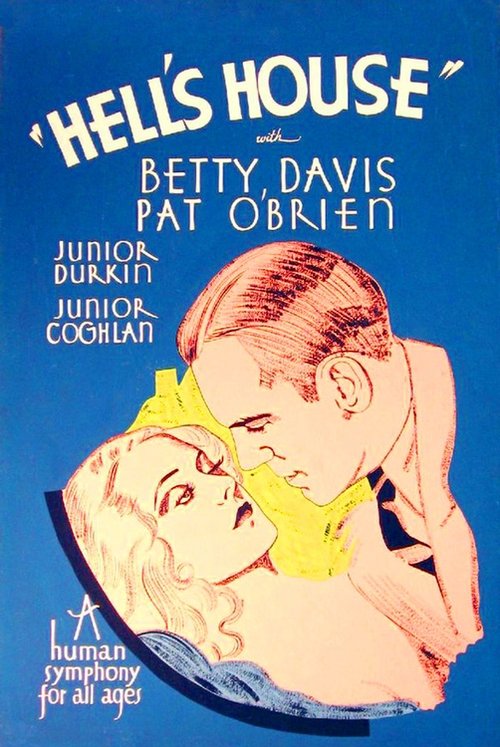
Hell's House 1932
"EXPOSED! The Grim Joke of Justice!"
Hell's House (1932) delivers a stark, unflinching look at the brutal realities of the American justice system through the eyes of a desperate teenager.
Director: Howard Higgin
Cast










Frequently Asked Questions
What is Hell's House (1932) about?
A teenager winds up in a nightmarish reform school after refusing to betray his bootlegging boss during Prohibition. The film exposes the harsh, often inhumane conditions of juvenile detention centers, where brutality replaces rehabilitation. It's a gripping story of resilience against a system stacked against the vulnerable.
Who directed Hell's House?
Howard Higgin directed Hell's House, bringing a gritty realism to the film's portrayal of injustice.
Who stars in Hell's House?
The film features Bette Davis and Pat O'Brien in key roles, with Junior Durkin leading the cast as the troubled teenager at its heart.
Is Hell's House (1932) worth watching?
While it's an unrated classic from the early 1930s, Hell's House stands out for its bold social themes and intense performances. Fans of hard-hitting dramas or historical justice narratives will find it compelling, though its harsh tone may not appeal to everyone.
How long is Hell's House?
Hell's House runs for 72 minutes, making it a concise yet impactful viewing experience.
About Hell's House (1932) — A Teen's Fight Against a Broken System
Hell's House (1932) delivers a stark, unflinching look at the brutal realities of the American justice system through the eyes of a desperate teenager. Directed by Howard Higgin and set against the grim backdrop of Prohibition-era reform schools, the film follows a young man who refuses to betray his criminal employer, landing him in an institution where cruelty is the norm. With its raw portrayal of systemic abuse and moral decay, the movie blends hard-hitting drama with social commentary, capturing the tension between justice and exploitation. Bette Davis and Pat O'Brien bring emotional depth to their roles, anchoring a story that's as much about survival as it is about questioning authority.
Stripped of hope and dignity, the protagonist's journey unfolds in a world where kindness is a luxury and corruption runs deep. The atmosphere is oppressive, reflecting the era's harsh attitudes toward juvenile offenders. Hell's House (1932) isn't just a drama—it's a cautionary tale that forces viewers to confront uncomfortable truths about punishment, reform, and the human cost of institutional neglect.