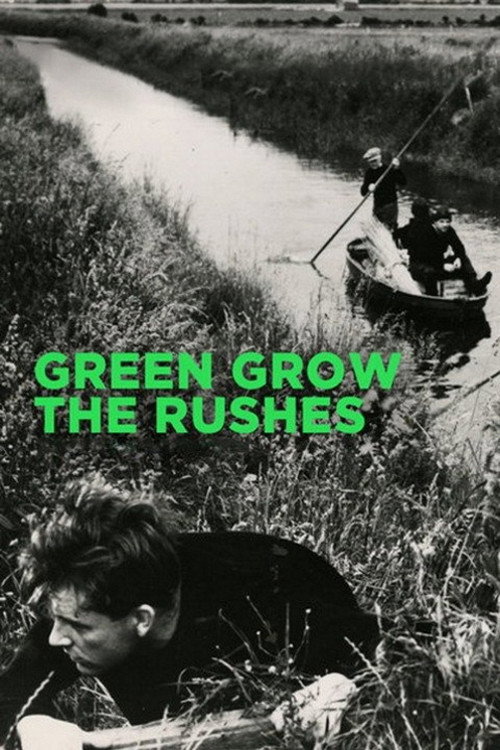
Green Grow the Rushes 1951
In the quiet village of Anderia Marsh, smugglers and locals cling to a centuries-old tradition of defying government taxes, a right they claim dates back to Henry III.
Director: Derek N. Twist
Cast









Frequently Asked Questions
What is Green Grow the Rushes (1951) about?
Set in the village of Anderia Marsh, the film follows locals who resist government taxes by smuggling contraband, including brandy, due to a claimed ancient right. When authorities impound their vessel during a storm, the villagers must outwit officials in a comical yet spirited stand against modernization.
Who directed Green Grow the Rushes?
The film was directed by Derek N. Twist, known for his work in British cinema during the mid-20th century.
Who stars in Green Grow the Rushes?
The cast includes Roger Livesey, Honor Blackman, Richard Burton, Frederick Leister, and John Salew, with standout performances in this blend of comedy and thriller.
Is Green Grow the Rushes (1951) worth watching?
For fans of classic British comedies and thrillers, *Green Grow the Rushes* offers a charming, lighthearted escape with strong performances from its lead cast. Its blend of humor and rebellion against authority makes it a unique, if lesser-known, gem from 1951.
How long is Green Grow the Rushes?
The film runs for 77 minutes, offering a concise yet engaging viewing experience.
About Green Grow the Rushes (1951) — A Villagers' Rebellion Against Taxes & Tradition
In the quiet village of Anderia Marsh, smugglers and locals cling to a centuries-old tradition of defying government taxes, a right they claim dates back to Henry III. When British authorities crack down and impound a smuggler's vessel laden with contraband brandy during a fierce storm, the community faces a reckoning. *Green Grow the Rushes* (1951), directed by Derek N. Twist, blends comedy and thriller elements in a spirited tale of rebellion against modernization.
With Roger Livesey, Honor Blackman, and Richard Burton leading the cast, the film captures the quirky charm of rural defiance while weaving themes of camaraderie and defiance against authority. The atmosphere is lighthearted yet tense, as the villagers navigate their clever, often comical, resistance to change. A nostalgic gem from the early 1950s, this movie offers a witty snapshot of British post-war attitudes toward tradition and progress.