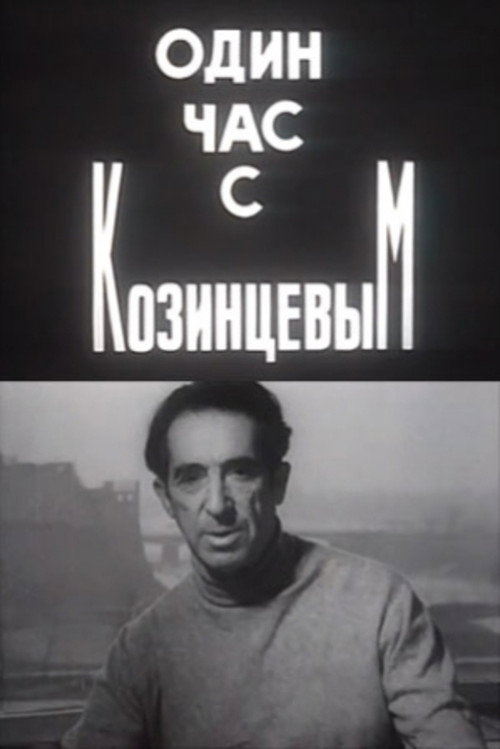
One Hour With Kozintsev 1970
Explore the compelling world of Soviet cinema through *One Hour With Kozintsev (1970)*, a captivating documentary that offers a rare glimpse into the life and work of acclaimed filmmaker Grigori Kozintsev.
Director: Aleksandr Stefanovich
Cast


Frequently Asked Questions
What is One Hour With Kozintsev (1970) about?
This documentary offers a focused look at the life, work, and artistic philosophy of Grigori Kozintsev, a titan of Soviet cinema. Through archival footage and personal reflections, the film explores his contributions to both film and theater, highlighting his collaborations with industry legends and his impact on cinematic storytelling.
Who directed One Hour With Kozintsev?
The film was directed by Aleksandr Stefanovich, a filmmaker known for his documentaries that bridge art and history.
Who stars in One Hour With Kozintsev?
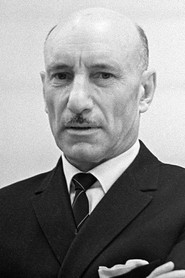
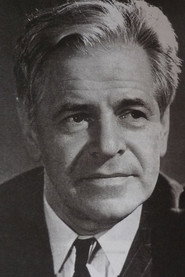
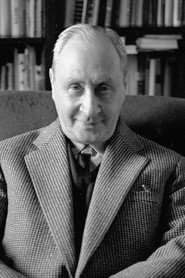
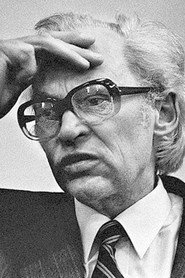
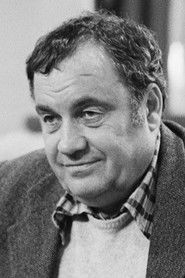
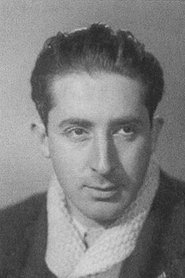
The documentary features appearances and insights from Sergei Gerasimov, Aleksei Kapler, Sergei Yutkevich, Jonas Gricius, Eldar Ryazanov, and Valentina Shendrikova among others.
Is One Hour With Kozintsev (1970) worth watching?
For film enthusiasts and historians, this 59-minute documentary is a treasure trove of insights into one of Soviet cinema's most revered figures. While it may lack mainstream appeal, its focus on Kozintsev's legacy makes it a compelling watch for those interested in the evolution of cinematic storytelling.
How long is One Hour With Kozintsev?
The documentary runs for 59 minutes.
About One Hour With Kozintsev (1970) — A 59-Minute Tribute to Grigori Kozintsev's Legacy
Explore the compelling world of Soviet cinema through *One Hour With Kozintsev (1970)*, a captivating documentary that offers a rare glimpse into the life and work of acclaimed filmmaker Grigori Kozintsev. Directed by Aleksandr Stefanovich, this 59-minute film delves into the artistic philosophy and creative process of one of Russia's most influential directors, blending intimate storytelling with cinematic insight. The documentary captures Kozintsev's reflections on his craft, his collaborations with legendary figures, and his enduring legacy in both theater and film. Through archival footage and thoughtful narration, the film paints a vivid portrait of an era when Soviet cinema shaped global storytelling.
This cinematic homage stands out not just for its subject but also for its atmospheric tone, weaving together themes of artistic dedication, historical context, and the power of visual artistry. As the camera lingers on Kozintsev's interactions with peers like Sergei Gerasimov and Eldar Ryazanov, it invites viewers to appreciate the nuances of his approach to storytelling—a blend of realism and poetic vision that defined his career.