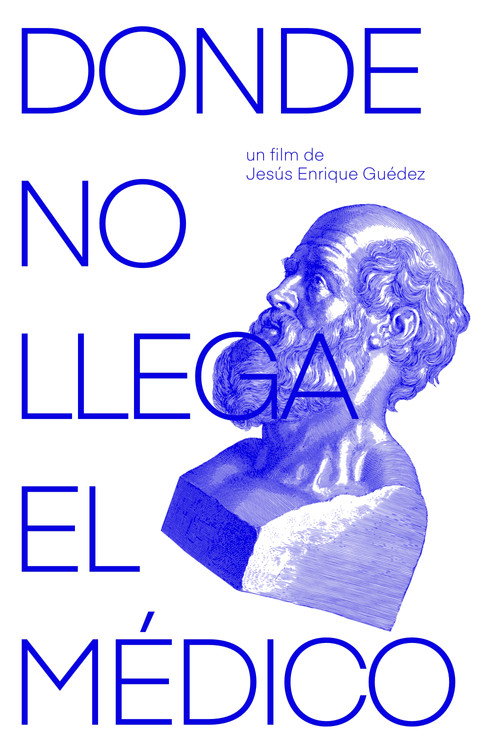
Donde no llega el médico 1965
Jesús Enrique Guédez's intimate 1965 documentary short Donde no llega el médico peers into the quiet struggles of rural communities where medical care remains an unattainable luxury.
Director: Jesús Enrique Guédez
Frequently Asked Questions
What is Donde no llega el médico (1965) about?
This 1965 Venezuelan short documentary examines the harsh reality of rural communities where medical care is scarce or nonexistent. Filmmaker Jesús Enrique Guédez captures the everyday challenges faced by villagers left to rely on their own resourcefulness when professional help doesn't reach them.
Who directed Donde no llega el médico?
The short was directed by Jesús Enrique Guédez, a Venezuelan filmmaker known for his contributions to early documentary cinema in the country.
Who stars in Donde no llega el médico?
Director Jesús Enrique Guédez is the central creative presence, with local villagers and everyday settings serving as the film's human and scenic backdrop.
Is Donde no llega el médico (1965) worth watching?
As a historical snapshot of Venezuelan rural life and healthcare limitations, Donde no llega el médico offers more cultural and social value than pure entertainment. It's a brief but evocative watch for fans of documentary filmmaking and mid-century Latin American perspectives on inequity.
How long is Donde no llega el médico?
Runtime details are not listed.
About Donde no llega el médico (1965) — Venezuela's raw 1965 documentary on healthcare gaps
Jesús Enrique Guédez's intimate 1965 documentary short Donde no llega el médico peers into the quiet struggles of rural communities where medical care remains an unattainable luxury. Shot in crisp black-and-white, the film captures a Venezuela on the cusp of change, where rugged landscapes and modest villages set the stage for stories untold by mainstream health narratives. Guédez's lens lingers on faces marked by resilience rather than despair, weaving a tone that is both observant and quietly urgent. Through simple yet powerful imagery, the short exposes the gaps in healthcare access while celebrating the ingenuity of those left to navigate them alone.
This early example of Venezuelan documentary filmmaking blends social realism with poetic restraint, making it a poignant artifact of its era. Donde no llega el médico (1965) resonates as a testament to the endurance of ordinary people when systems fail them, all framed within the unfiltered beauty of mid-century rural life. Its sparse dialogue and stark visuals invite viewers to reflect on enduring themes of inequity, community, and the human spirit's unyielding capacity to adapt.