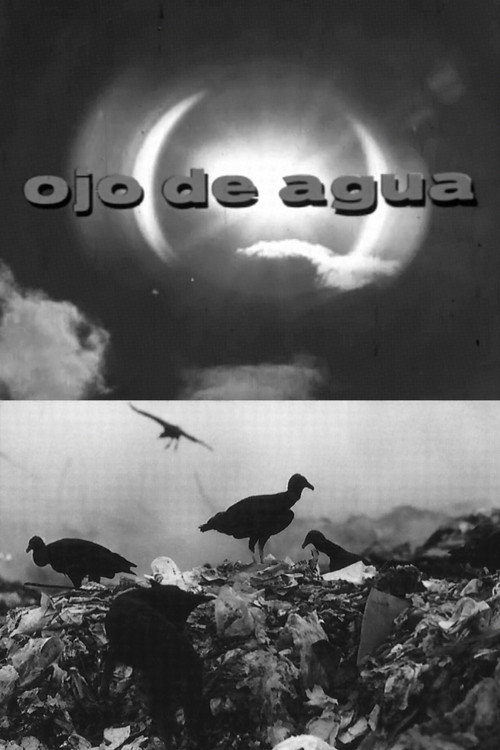
Ojo de Agua 1972
Directed by Oscar Molinari, *Ojo de Agua (1972)* immerses viewers in the harsh realities of two grueling days for six children laboring under Omar, a dwarf, in a sprawling garbage dump on the outskirts of Caracas.
Director: Oscar Molinari
Cast
Frequently Asked Questions
What is Ojo de Agua (1972) about?
*Ojo de Agua (1972)* follows six children working under Omar, a dwarf, in a massive garbage dump outside Caracas. Over two days, they scavenge for recyclables like bottles and paper to earn a living. The film captures their resilience and the harsh realities of survival in an overlooked corner of society.
Who directed Ojo de Agua?
Oscar Molinari directed *Ojo de Agua (1972)*. His work brings a raw, documentary-like realism to the story of these children's daily struggles.
Who stars in Ojo de Agua?
The film stars María Alejandra Correa and Chuo Ortoll, among others, in key roles that drive its emotional core.
Is Ojo de Agua (1972) worth watching?
With its unflinching portrayal of childhood hardship and social inequality, *Ojo de Agua (1972)* offers a gripping, thought-provoking experience despite its short runtime. It's a hidden gem for fans of socially conscious dramas.
How long is Ojo de Agua?
*Ojo de Agua (1972)* has a runtime of 21 minutes.
About Ojo de Agua (1972) — A Raw Portrait of Childhood in a Caracas Garbage Dump
Directed by Oscar Molinari, *Ojo de Agua (1972)* immerses viewers in the harsh realities of two grueling days for six children laboring under Omar, a dwarf, in a sprawling garbage dump on the outskirts of Caracas. Their days are spent scavenging for recyclable materials—bottles, paper, fabric—whatever can be salvaged and sold to survive. This short but powerful drama captures the resilience and desperation of childhood in an unforgiving environment, where every scrap holds the promise of a meal or a few cents. Molinari's lens focuses on the unspoken bond between the kids, framed against the stark backdrop of urban decay and waste, evoking themes of poverty, survival, and the loss of innocence.
The film's atmosphere is raw and unflinching, painting a poignant portrait of life on the margins. With its grounded realism and emotional depth, *Ojo de Agua (1972)* emerges as a striking snapshot of a society often overlooked, blending social commentary with intimate storytelling. The short runtime belies its impact, leaving a lasting impression of the children's tenacity and the stark challenges they face daily.