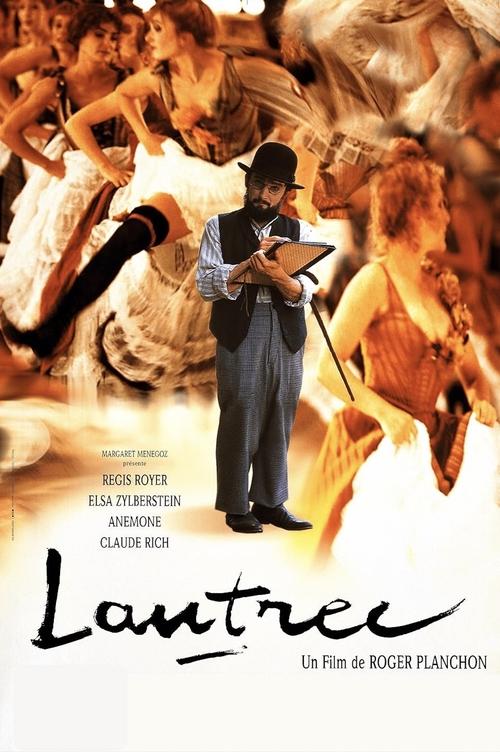
Lautrec 1998
Step into the vibrant, gritty heart of late-19th-century Paris through *Lautrec* (1998), Roger Planchon's visually rich biographical drama that captures the essence of bohemian Montmartre.
Director: Roger Planchon
Cast








Frequently Asked Questions
What is Lautrec (1998) about?
*Lautrec* (1998) follows the tumultuous life of Henri de Toulouse-Lautrec, a celebrated French painter whose physical ailments and addictions shaped his artistic journey. Set in the bohemian streets of late-1800s Paris, the film traces his rise as a prolific artist and his deep connection to the city's cabaret culture.
Who directed Lautrec?
The film was directed by Roger Planchon, a renowned French filmmaker known for his evocative storytelling and historical dramas.
Who stars in Lautrec?
The cast features Régis Royer in the lead role, with notable performances from Elsa Zylberstein, Anémone, Claude Rich, and Hélène Babu.
Is Lautrec (1998) worth watching?
As a period drama with strong thematic depth, *Lautrec* (1998) offers a unique blend of artistry and raw emotion, making it a compelling watch for fans of biographical films. Its authentic portrayal of Parisian life and Lautrec's legacy adds to its lasting appeal.
How long is Lautrec?
The runtime of *Lautrec* is 125 minutes.
About Lautrec (1998) — The Gritty, Glittering Life of a Parisian Painter
Step into the vibrant, gritty heart of late-19th-century Paris through *Lautrec* (1998), Roger Planchon's visually rich biographical drama that captures the essence of bohemian Montmartre. This film immerses viewers in the turbulent life of Henri de Toulouse-Lautrec, the legendary post-impressionist painter whose physical struggles and artistic genius defined an era. Régis Royer brings depth to the role, supported by a standout ensemble including Elsa Zylberstein and Anémone, as the story unfolds against the backdrop of Parisian cabarets and absinthe-soaked nights. The movie delves into themes of passion, addiction, and resilience, painting a vivid portrait of an artist who turned personal pain into timeless art.
Against the luminous yet melancholic canvas of 1890s Paris, *Lautrec* (1998) explores the intersection of creativity and self-destruction. Planchon's direction infuses the film with a raw, almost cinematic energy, mirroring the frenetic energy of Lautrec's own world. With its rich historical detail and emotional intensity, this drama offers a compelling glimpse into the life of a man whose struggles and triumphs continue to fascinate audiences. Whether you're a fan of art history or period dramas, this film delivers a captivating, atmospheric experience.