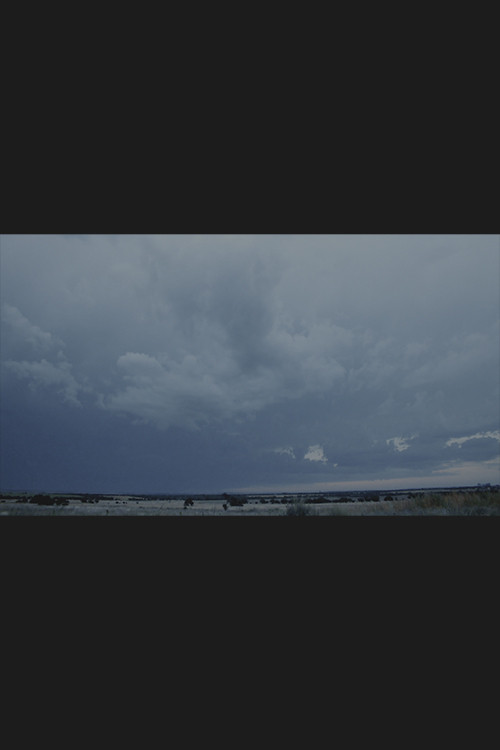
Campo de luz 2012
Campo de luz (2012) is a hauntingly atmospheric short film directed by Nicolás Onischuk, wrapping a 12-minute meditation on time's relentless weight in poetic ambiguity.
Director: Nicolás Onischuk
Frequently Asked Questions
What is Campo de luz (2012) about?
Campo de luz (2012) delves into the feeling of time as an unhealed wound, where the sky's absence haunts every moment like a scar. It's a short but intense exploration of pain, memory, and existential reflection, wrapped in poetic ambiguity.
Who directed Campo de luz?
Nicolás Onischuk directed Campo de luz (2012). Known for his visually striking and thought-provoking short films, Onischuk infuses this 12-minute piece with surreal intensity.
Who stars in Campo de luz?
Cast details for Campo de luz (2012) are not publicly listed.
Is Campo de luz (2012) worth watching?
Campo de luz (2012) is a bold, atmospheric short film that rewards viewers seeking artistic depth over crowd-pleasing narratives. While its uncompromising vision may not appeal to everyone, its poetic power and unique visual language make it a standout in experimental cinema.
How long is Campo de luz?
Campo de luz (2012) runs for 12 minutes.
About Campo de luz (2012) — Nicolás Onischuk's 12-Minute Poetic Masterpiece
Campo de luz (2012) is a hauntingly atmospheric short film directed by Nicolás Onischuk, wrapping a 12-minute meditation on time's relentless weight in poetic ambiguity. The visual poetry unfolds like a scar reopening, where the sky's disappearance feels less like an ending and more like a wound still bleeding into the present. Through lingering frames and sparse dialogue, the film explores themes of existential pain and the fragility of human perception, inviting viewers to lie down in its 'miserable eternity' and feel the pulse of something both universal and deeply personal.
Drawing inspiration from surrealist cinema and the raw edges of Argentine visual storytelling, Campo de luz (2012) lingers in the space between memory and myth. Onischuk crafts an experience that lingers like a half-remembered dream—unsettling, lyrical, and deeply felt. The film's minimalist structure and evocative imagery make it a compelling watch for fans of introspective, short-form cinema that challenges rather than comforts.