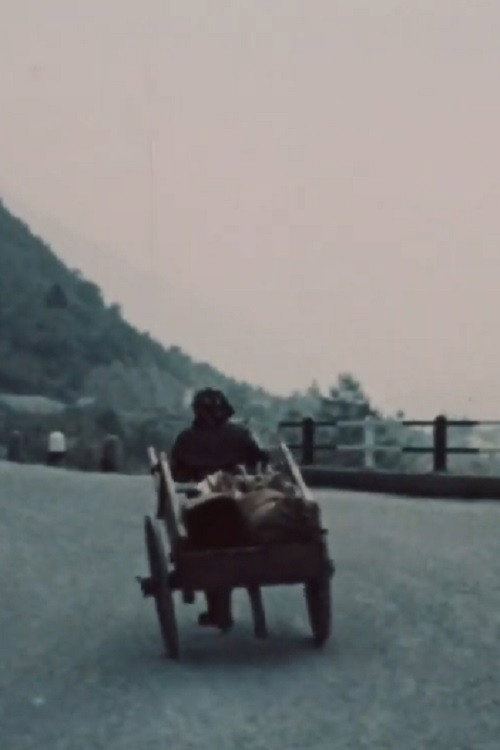
Le nerte 1962
Le nerte (1962) offers a raw glimpse into the quiet struggles of itinerant women traders from Upper Friuli, who journey through the Veneto region selling handcrafted wooden goods.
Director: Giuseppe Taffarel
Frequently Asked Questions
What is Le nerte (1962) about?
Le nerte (1962) follows a lone woman from the Upper Friuli region as she travels southward to Venice's Veneto area, peddling handmade wooden utensils to make ends meet. Her daily grind—sleeping in barns, surviving on scraps, and enduring the physical toll of the road—illustrates a fading way of life for these itinerant traders.
Who directed Le nerte?
Giuseppe Taffarel directed Le nerte, bringing a documentary eye to the lives of these wandering women.
Who stars in Le nerte?
The cast includes the unnamed woman at the heart of the documentary, alongside the rural communities she encounters along her trek.
Is Le nerte (1962) worth watching?
As a documentary rooted in social realism, Le nerte (1962) offers more than nostalgia—it's a quietly powerful exploration of resilience. While it lacks IMDb ratings to gauge its reception, its thematic depth and historical insight make it compelling for fans of honest, character-driven nonfiction.
How long is Le nerte?
Runtime details are not listed.
About Le nerte (1962) — A Poignant Journey of Friuli's Wandering Wooden Traders
Le nerte (1962) offers a raw glimpse into the quiet struggles of itinerant women traders from Upper Friuli, who journey through the Veneto region selling handcrafted wooden goods. Directed by Giuseppe Taffarel, this documentary follows one such woman in her solitary march, capturing the resilience required to survive on meager earnings while sleeping in barns and relying on the kindness of strangers. The film paints a stark picture of hardship and dignity, transporting viewers to a vanished era where subsistence meant constant movement and sacrifice.
Through Taffarel's lens, the documentary transcends mere ethnography, becoming a poetic meditation on endurance and the human spirit. The atmosphere is steeped in simplicity and melancholy, with the rhythmic cadence of footsteps and the weight of unsold baskets echoing the quiet toll of a life spent on the road. Le nerte (1962) isn't just a historical record; it's a tribute to the unsung women who carried the weight of tradition and traded with grace under the open sky.